You are working on Staging
Bikes & Gear - Trek Travel

Gravel Riding Redefined: Trek Travel’s New Gravel Bikes for 2026

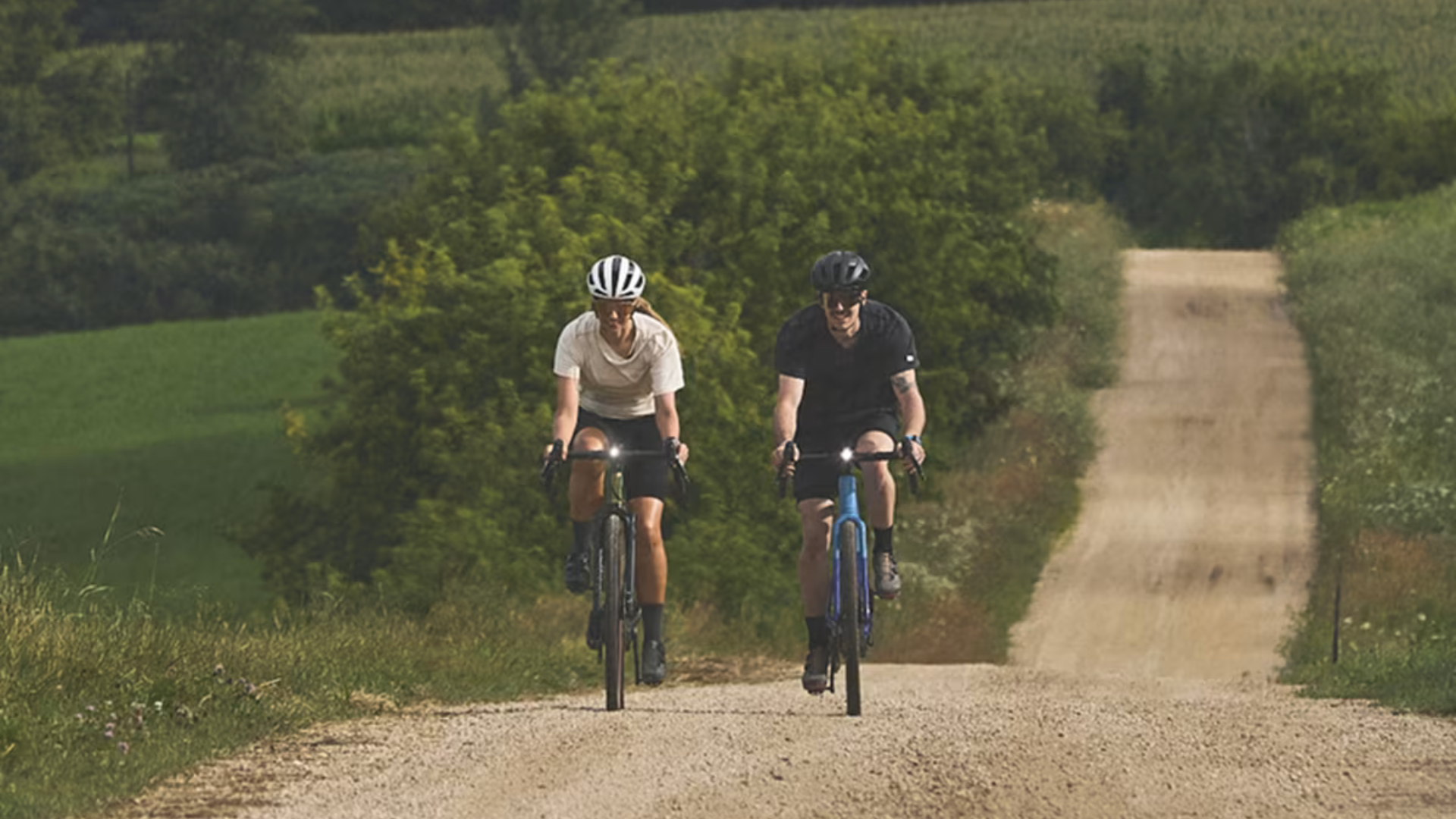
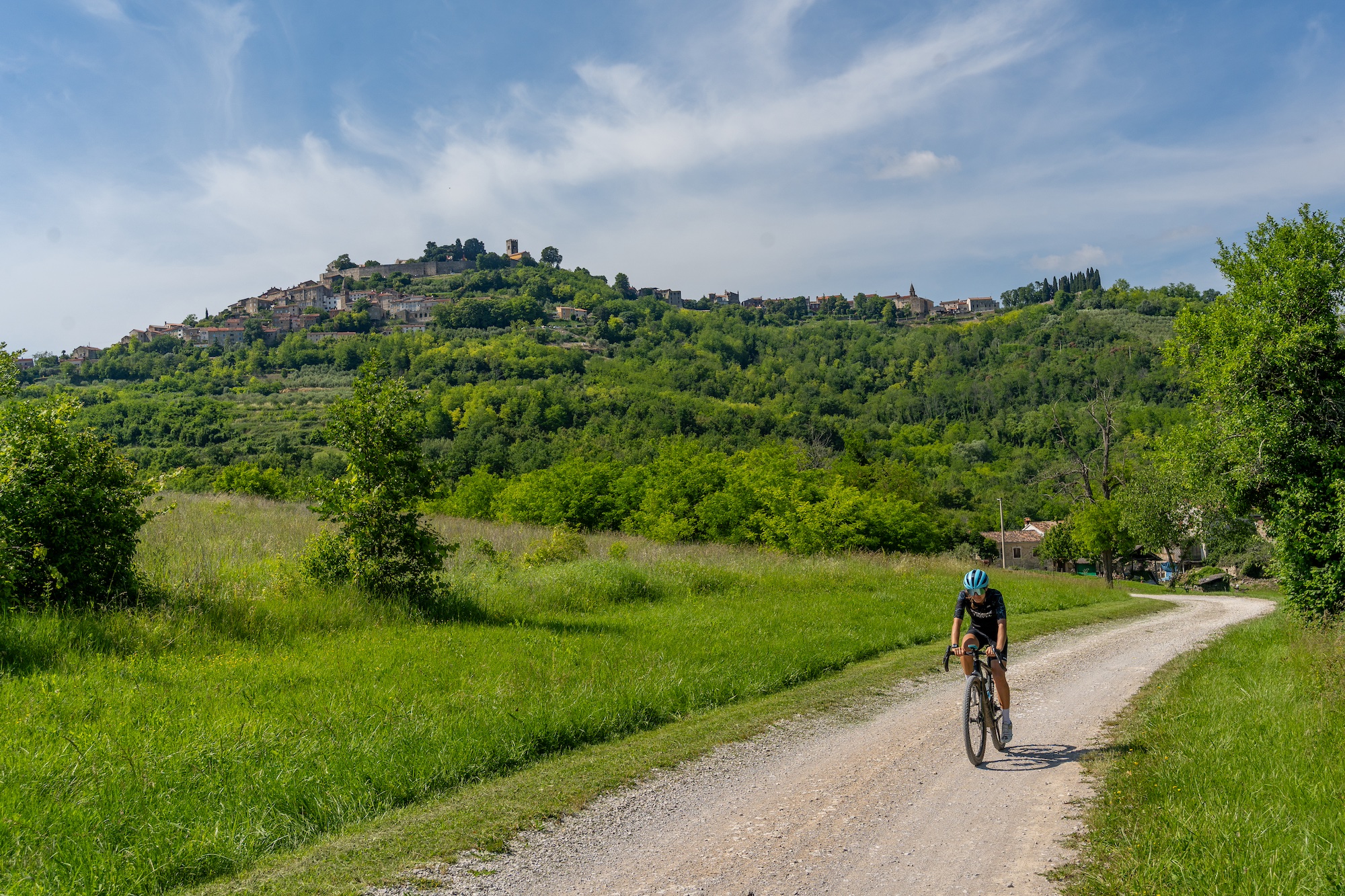
Gravel riding has taken the cycling world by storm. The appeal is simple: quiet backroads, rolling farm tracks, vineyard trails, white gravel climbs, and the freedom to ride where pavement ends. At Trek Travel, we’ve embraced gravel from the very beginning, curating trips in some of the most breathtaking gravel destinations in the world.

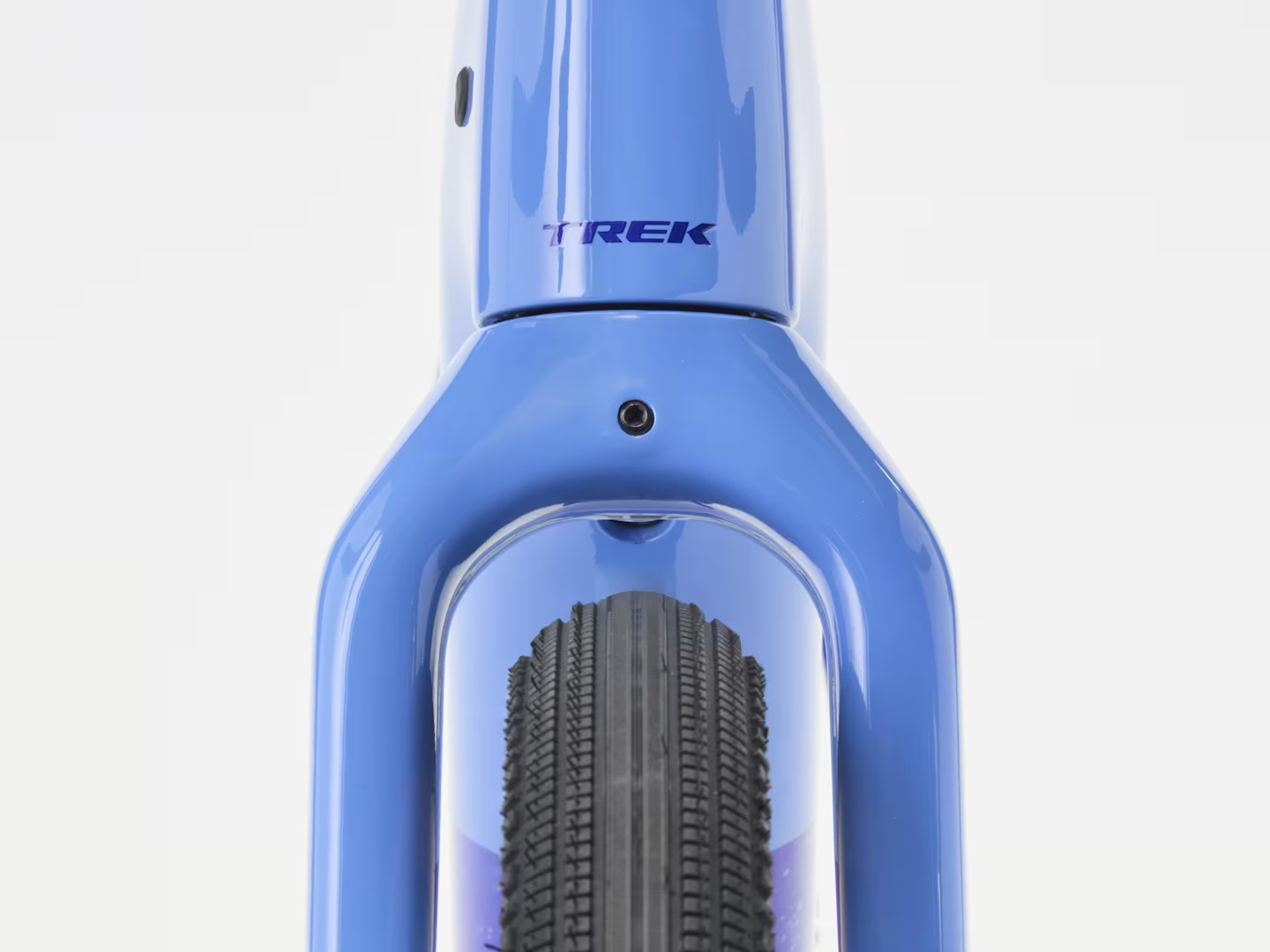
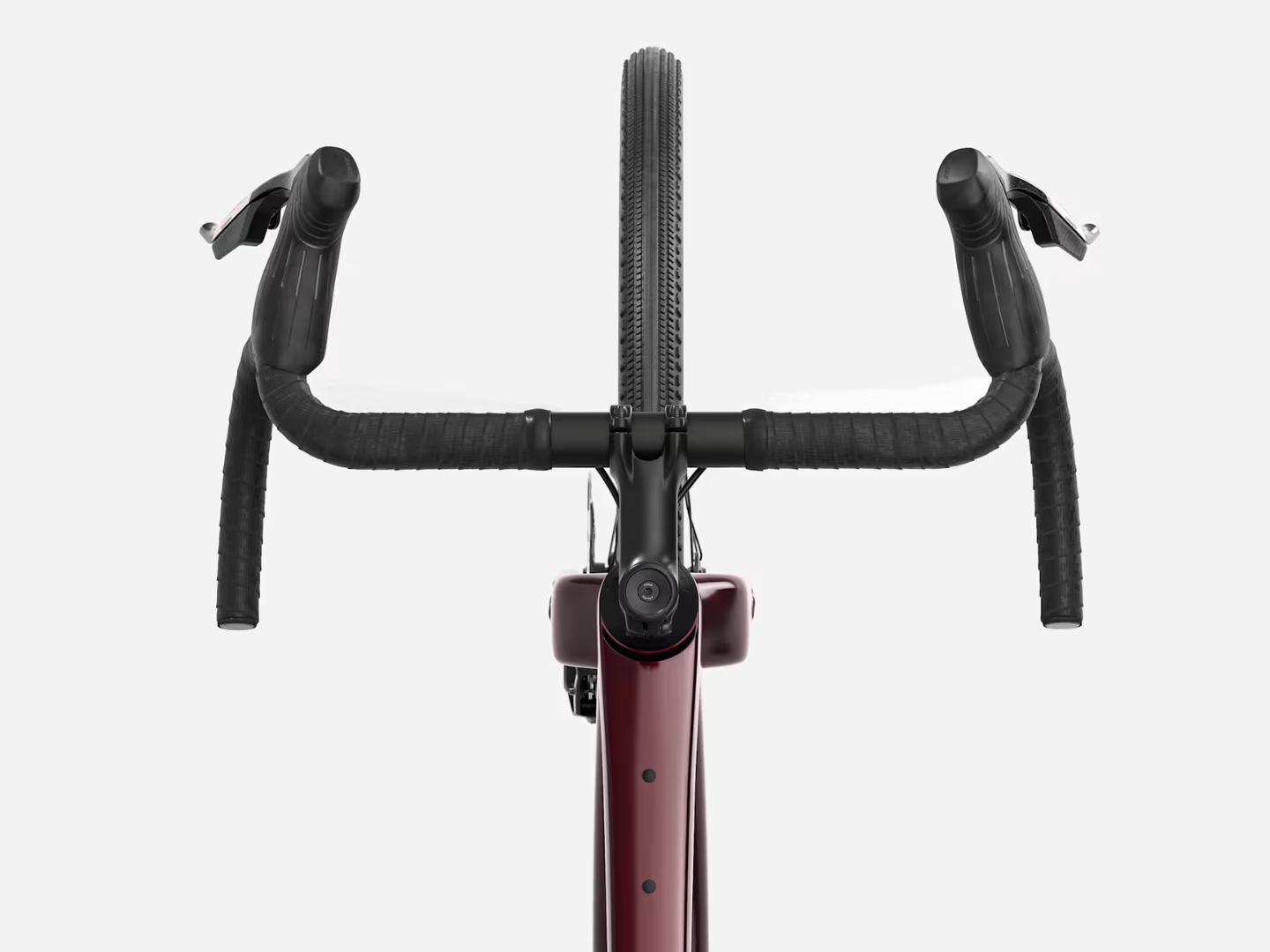
And now, we’re thrilled to announce the biggest upgrade yet. In 2026, guests on our gravel trips will ride the brand-new Trek Checkpoint SL Gen 3 or the all-new Trek Checkpoint+ SL e-gravel bike. These bikes are the most advanced gravel machines Trek has ever built—and we can’t wait for you to experience them on your next cycling vacation of a lifetime.
Why Gravel with Trek Travel?

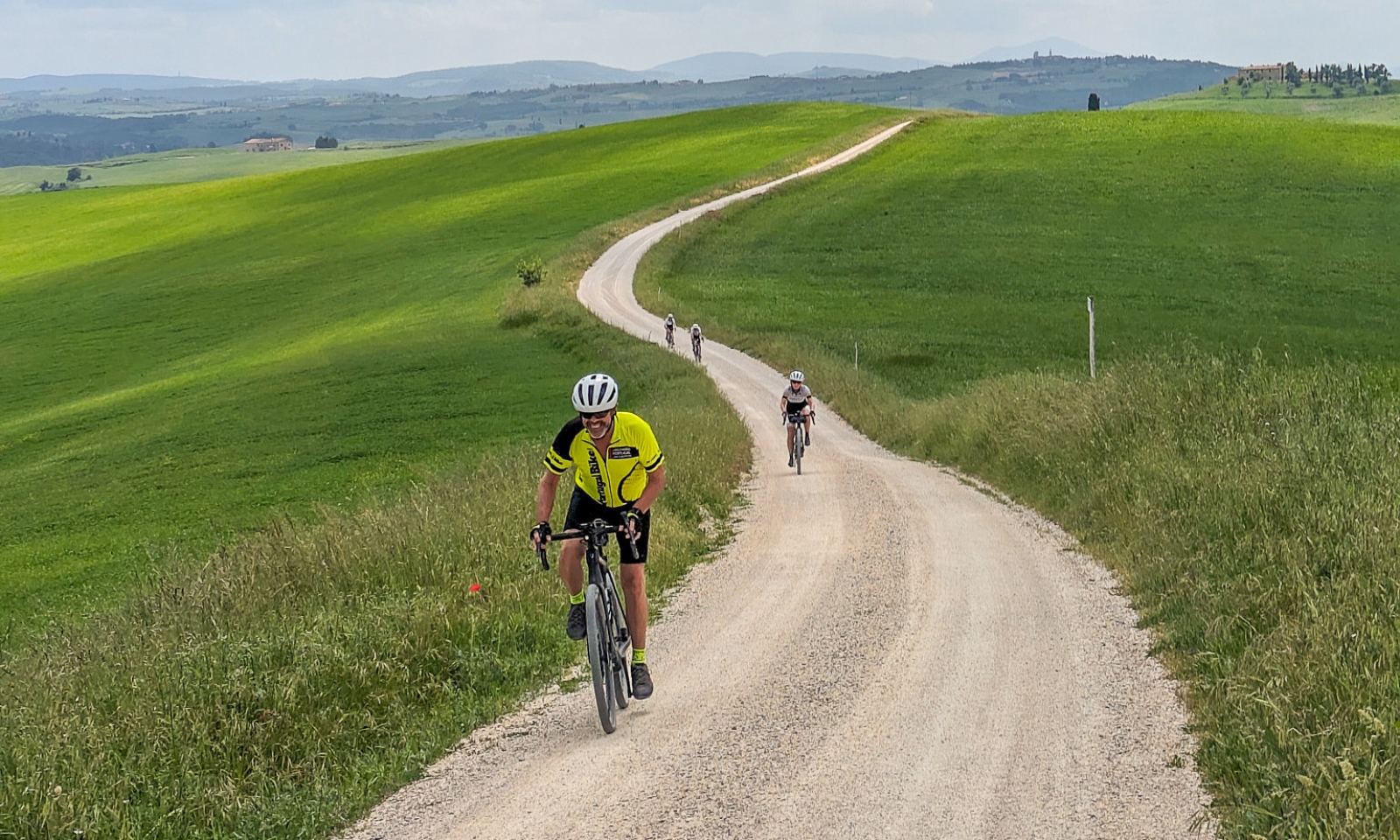
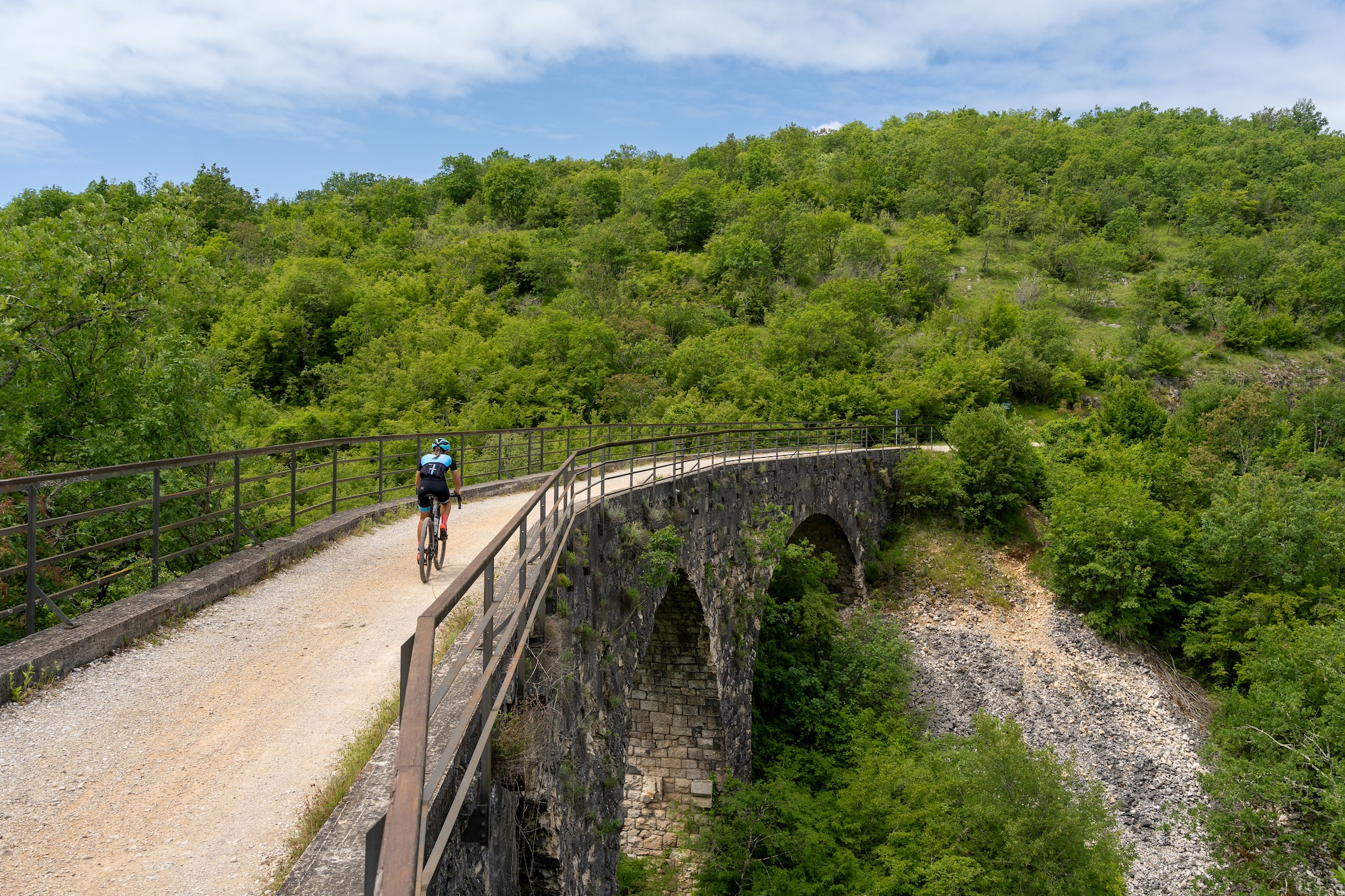
At its heart, gravel riding is about freedom. It’s about choosing the road less traveled, finding quiet trails where cars are rare, and pedaling into landscapes that take your breath away. Tuscany’s strade bianche, Girona’s rolling dirt roads, Croatia’s vineyard tracks, and Vermont’s covered bridges all offer a unique connection to place that paved roads can’t match.

When you travel with Trek Travel, gravel goes beyond adventure. You’ll ride supported by expert guides, world-class hospitality, and the best bikes in the industry. It’s not just about tackling rugged terrain—it’s about knowing that your equipment, your support, and your experience are second to none.

And now, in 2026, Trek Travel gravel trips are elevated even higher with the newest fleet of Trek Checkpoint gravel bikes—carbon, powerful, and precision-built for any ride.

Explore the New Bikes for 2026
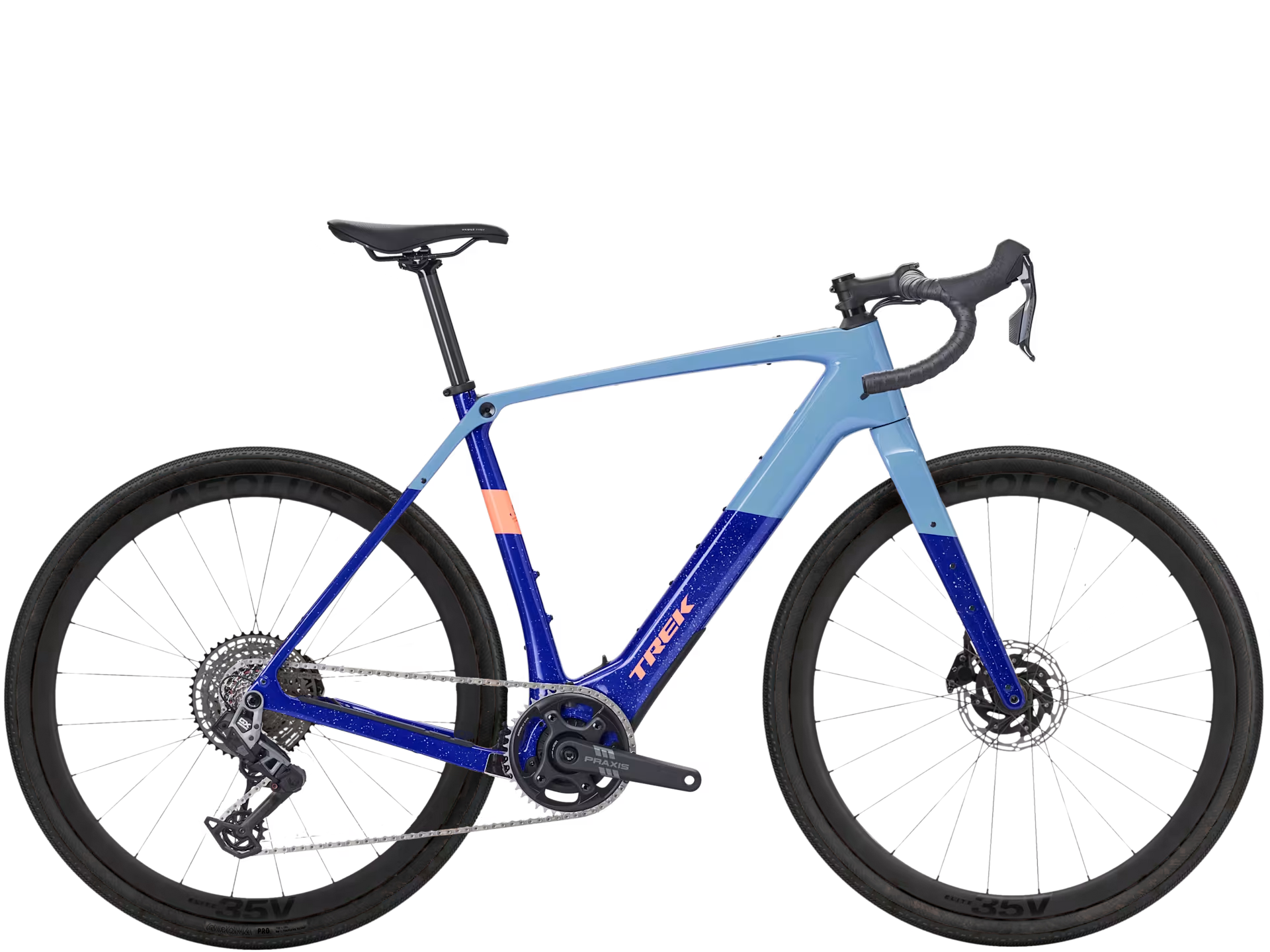
The Trek Checkpoint+ SL 6 AXS

New for 2026, the Checkpoint+ SL 6 AXS joins our fleet as Trek’s first electric-assist gravel bike available on Trek Travel trips. This e-gravel bike is designed to make every ride more enjoyable, whether you’re looking for the extra push to crest steep climbs, extend your mileage for the day, or simply savor a bit more comfort on unpaved routes.
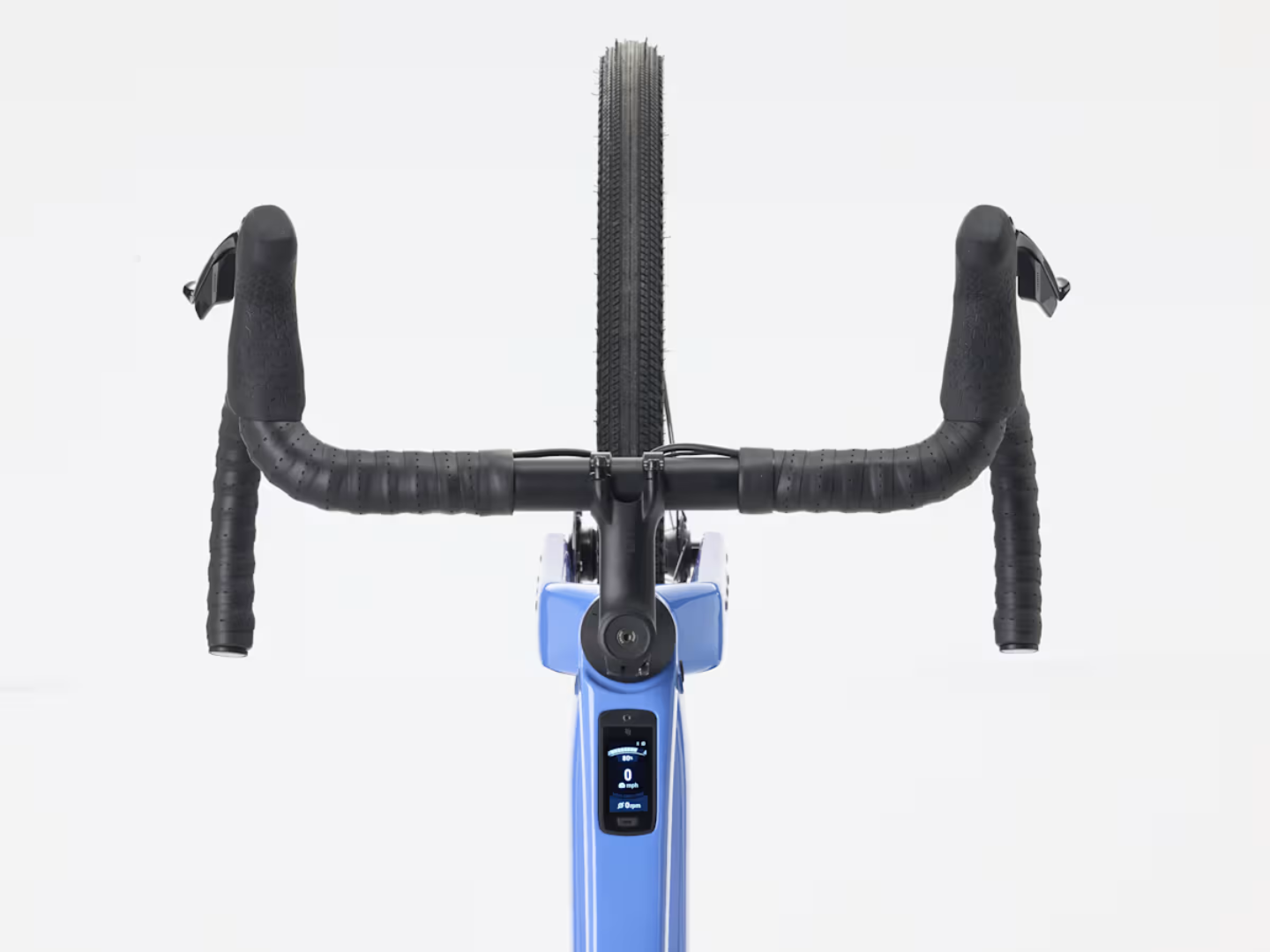
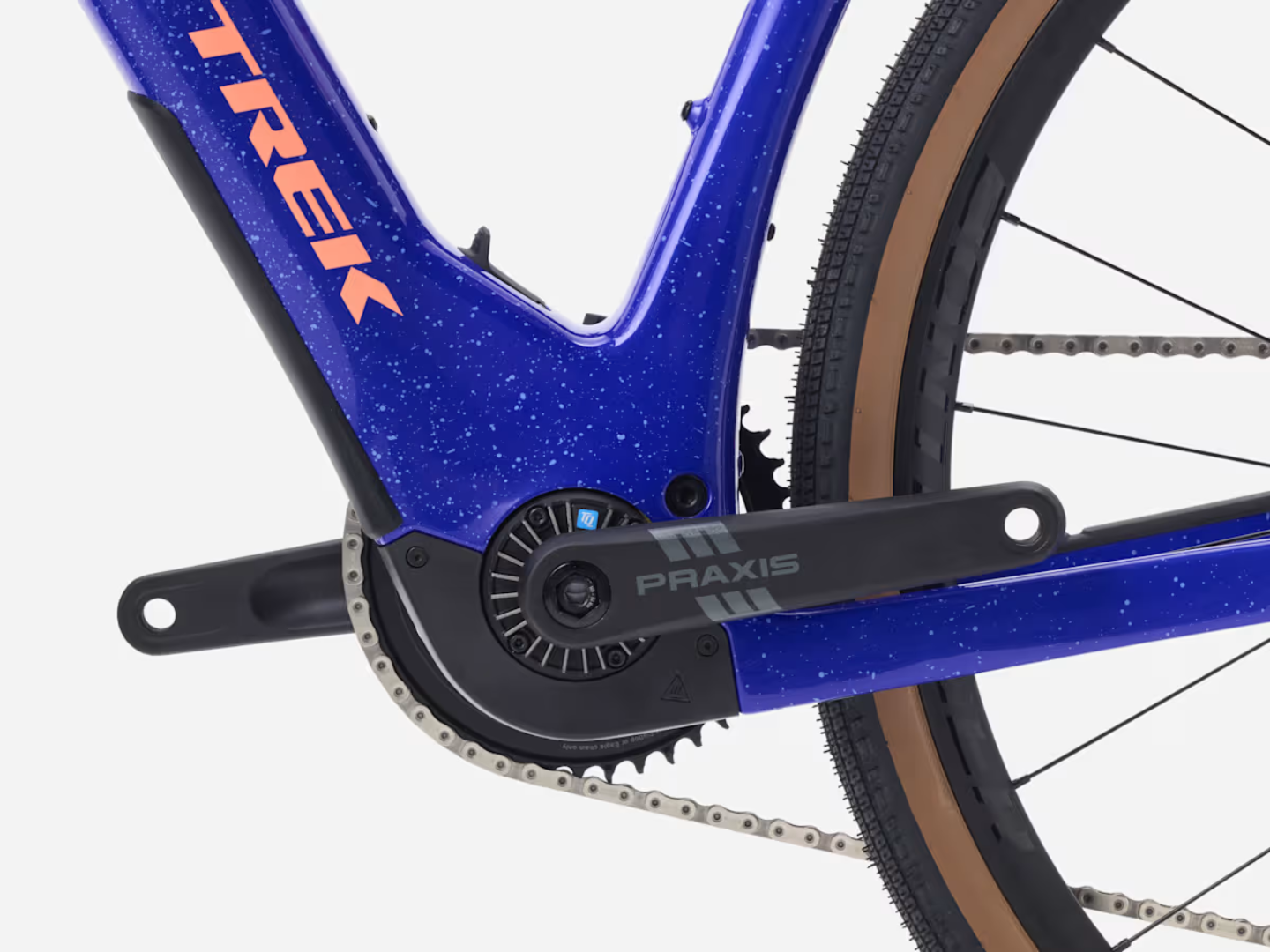
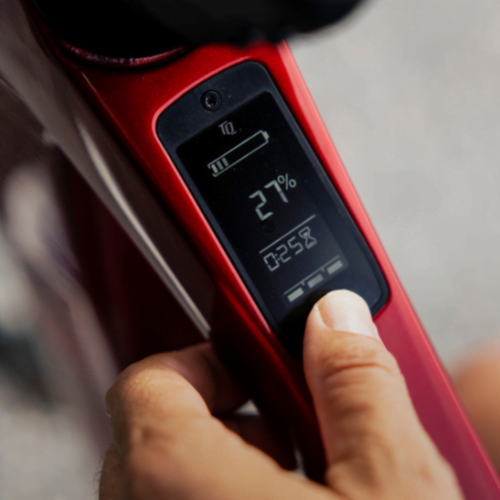
The Checkpoint+ is built around a lightweight OCLV carbon frame with IsoSpeed comfort technology, which reduces the vibrations of rough terrain and keeps you fresh on long days. Its 45 mm tubeless tires grip confidently over gravel and dirt, while the carbon wheels keep the ride fast and responsive. The quiet TQ motor and 360Wh battery (with optional extender) provide a natural-feeling boost that helps you take on climbs with ease and explore farther than ever before. Paired with SRAM AXS electronic shifting and powerful disc brakes, this bike puts control and precision right at your fingertips.

For guests new to gravel or those who want to feel more confident on demanding routes, this e-gravel bike makes every adventure feel possible. Even seasoned riders will appreciate the way it smooths out the toughest days, turning challenging rides into pure joy. Available as an optional upgrade, the Checkpoint+ will be offered on select trips beginning in 2026.
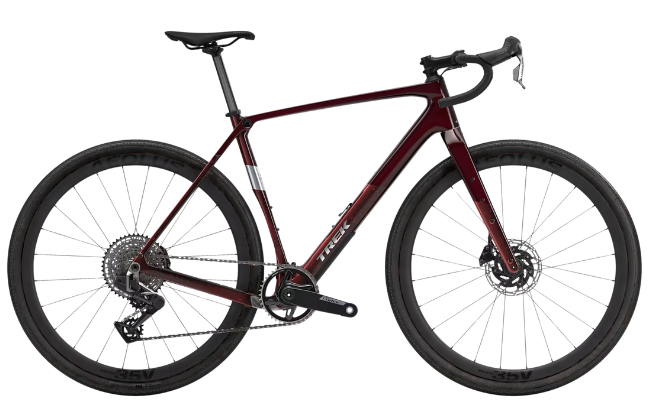
The Trek Checkpoint SL 7 AXS Gen 3

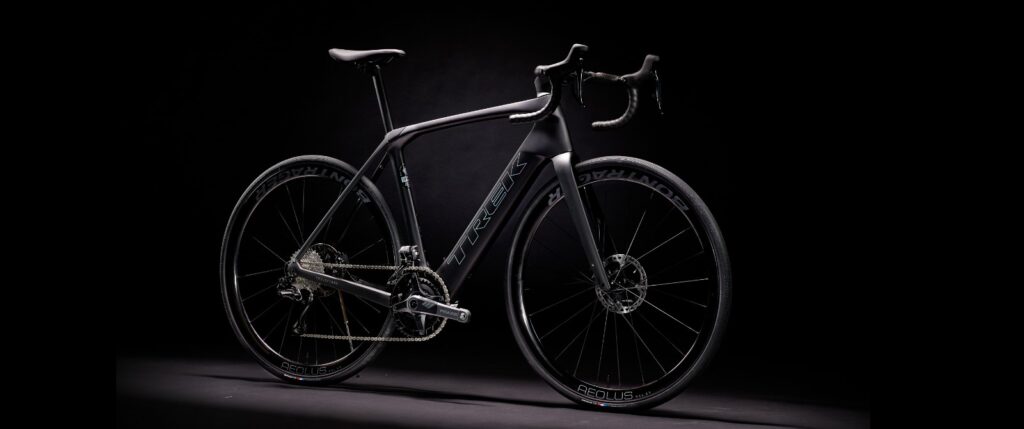
If there’s one bike that defines gravel performance in 2026, it’s the Checkpoint SL 7 AXS Gen 3. Included in the price of your trip, this machine is the gold standard for riders ready to take on adventurous miles across a variety of terrain.

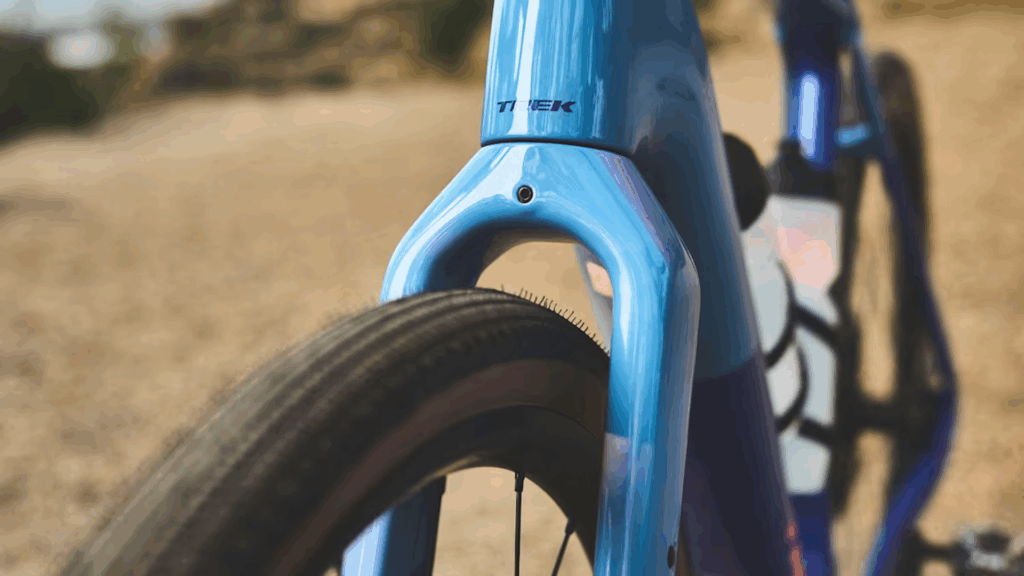
The SL 7 Gen 3 features Trek’s OCLV 500 carbon frame, engineered for stiffness and responsiveness without sacrificing comfort. Its IsoSpeed decoupler absorbs chatter and bumps, so you can ride longer and stronger with less fatigue. The geometry is tuned for endurance, offering stability and confidence while still keeping the ride lively. With 45 mm tubeless tires, carbon wheels, and a gravel-specific SRAM Force XPLR AXS wireless drivetrain, the bike balances power, speed, and control perfectly. Disc brakes ensure reliable stopping power in any condition, from muddy tracks to steep descents.
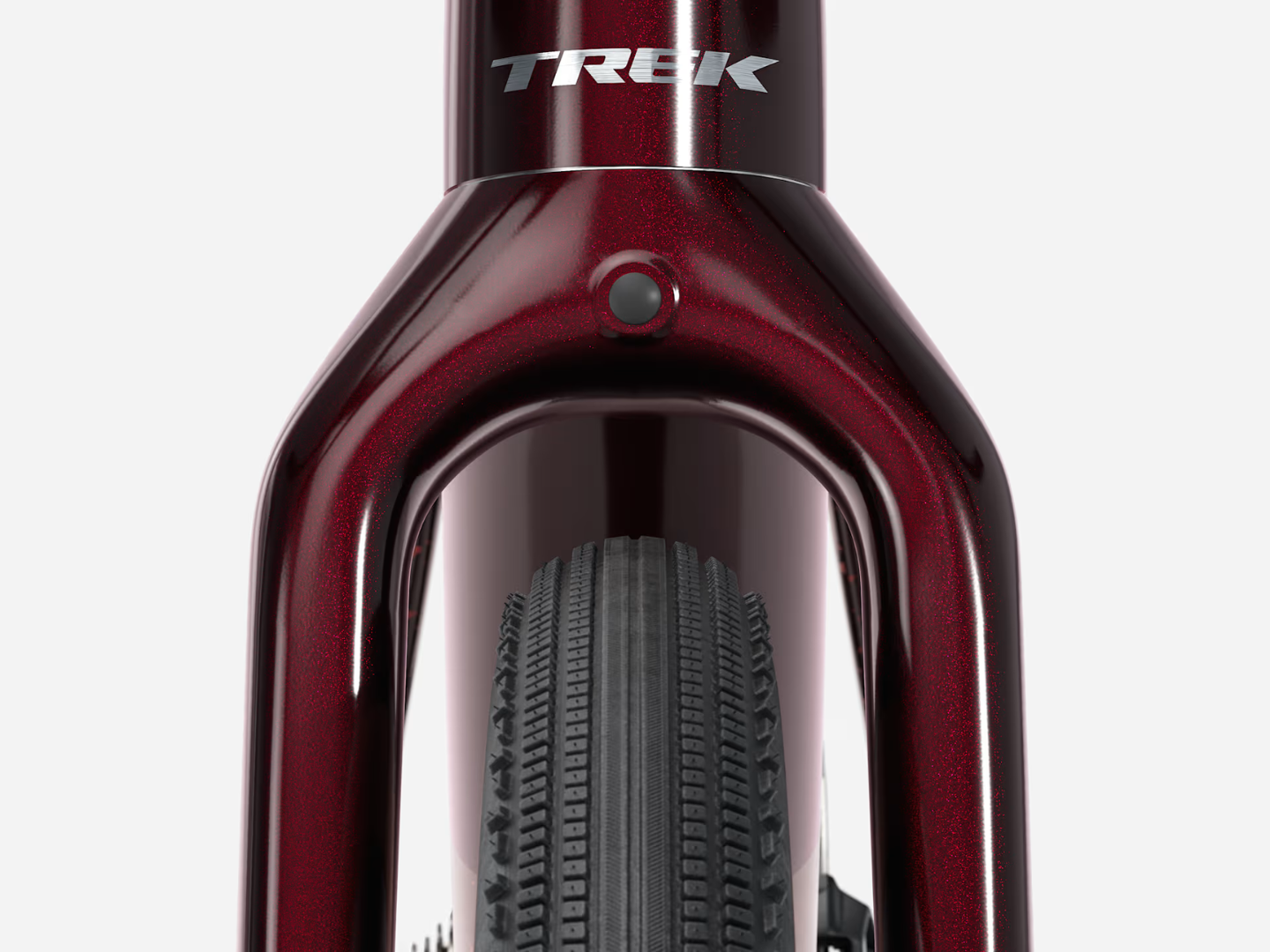
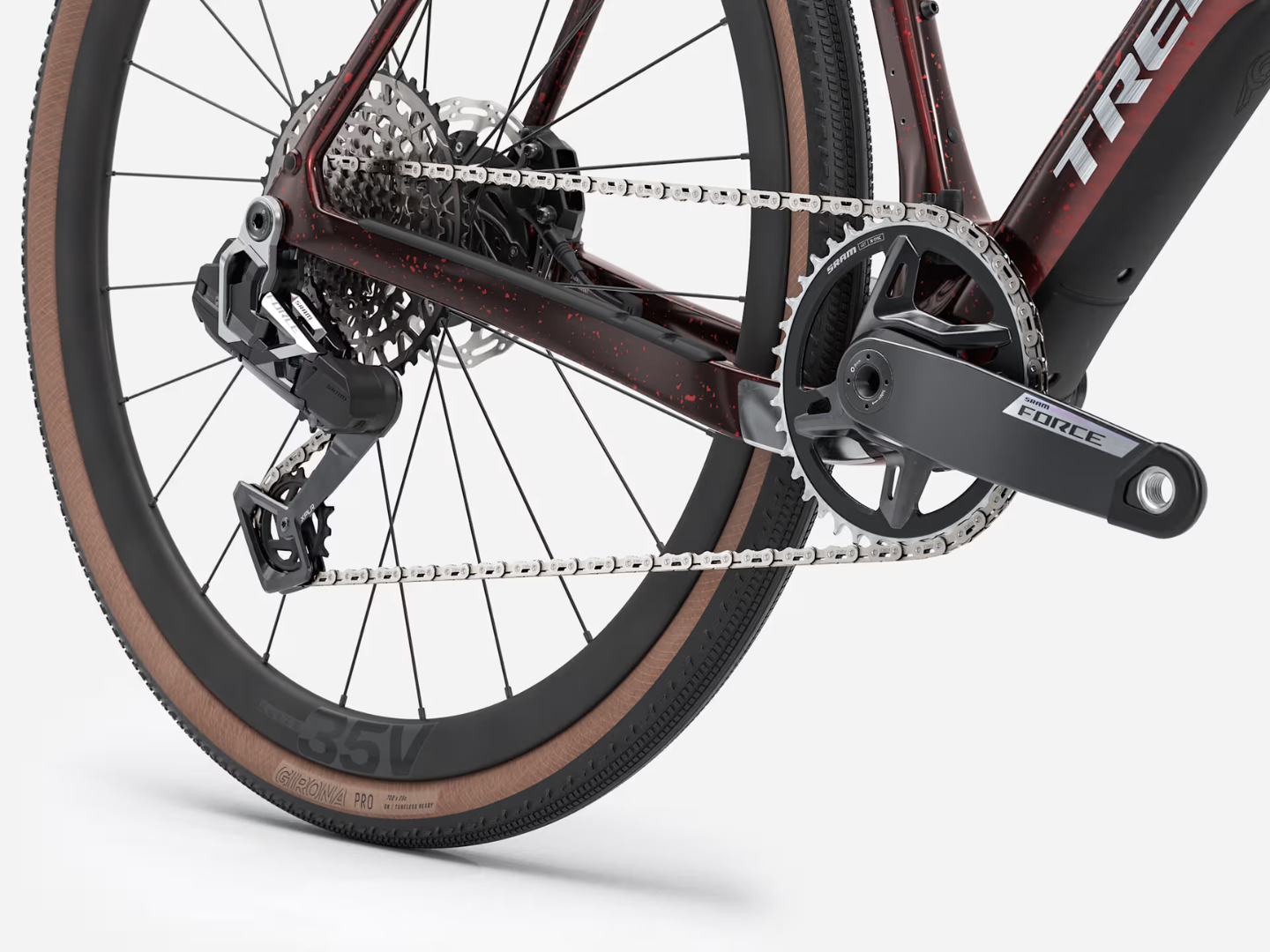
Whether you’re spinning through the vineyard roads of Istria, climbing Tuscany’s iconic white gravel, or exploring the rugged trails of the Black Hills, the Trek Checkpoint Gen 3 transforms every route into an extraordinary ride. It’s the ultimate gravel bike for guests who want a smooth, responsive, and performance-driven companion for their Trek Travel vacation.
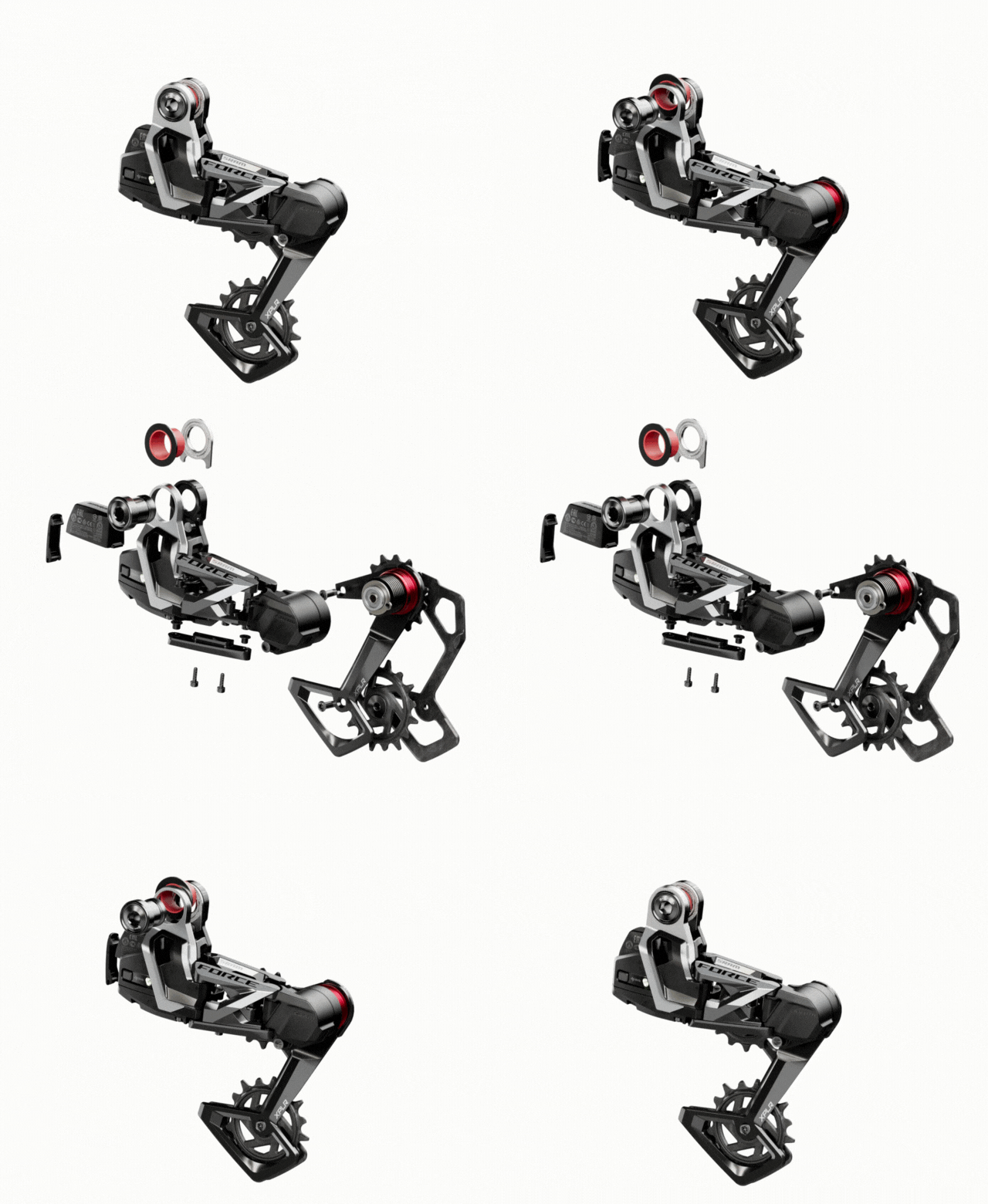
SRAM Force XPLR Rear Derailleur.

Gravel Gear, Leveled Up with SRAM

To match the world’s best gravel bikes, Trek Travel has partnered with SRAM, one of the most innovative brands in cycling. Every bike in our gravel fleet is equipped with SRAM’s cutting-edge AXS wireless shifting, giving you smooth, effortless gear changes with the tap of a finger. Their gravel-specific 1x drivetrains are built to handle steep climbs and rugged terrain, while powerful disc brakes provide confidence and control in all conditions.

The partnership between Trek and SRAM means that every detail of your ride—from shifting to braking—is supported by world-class engineering. It’s one more way Trek Travel ensures that your gravel vacation is elevated to the highest level of performance.
Where You’ll Ride in 2026

The best gravel bikes in the world deserve the best destinations. In 2026, Trek Travel guests will ride the new fleet on legendary gravel routes across Europe, North America and beyond.

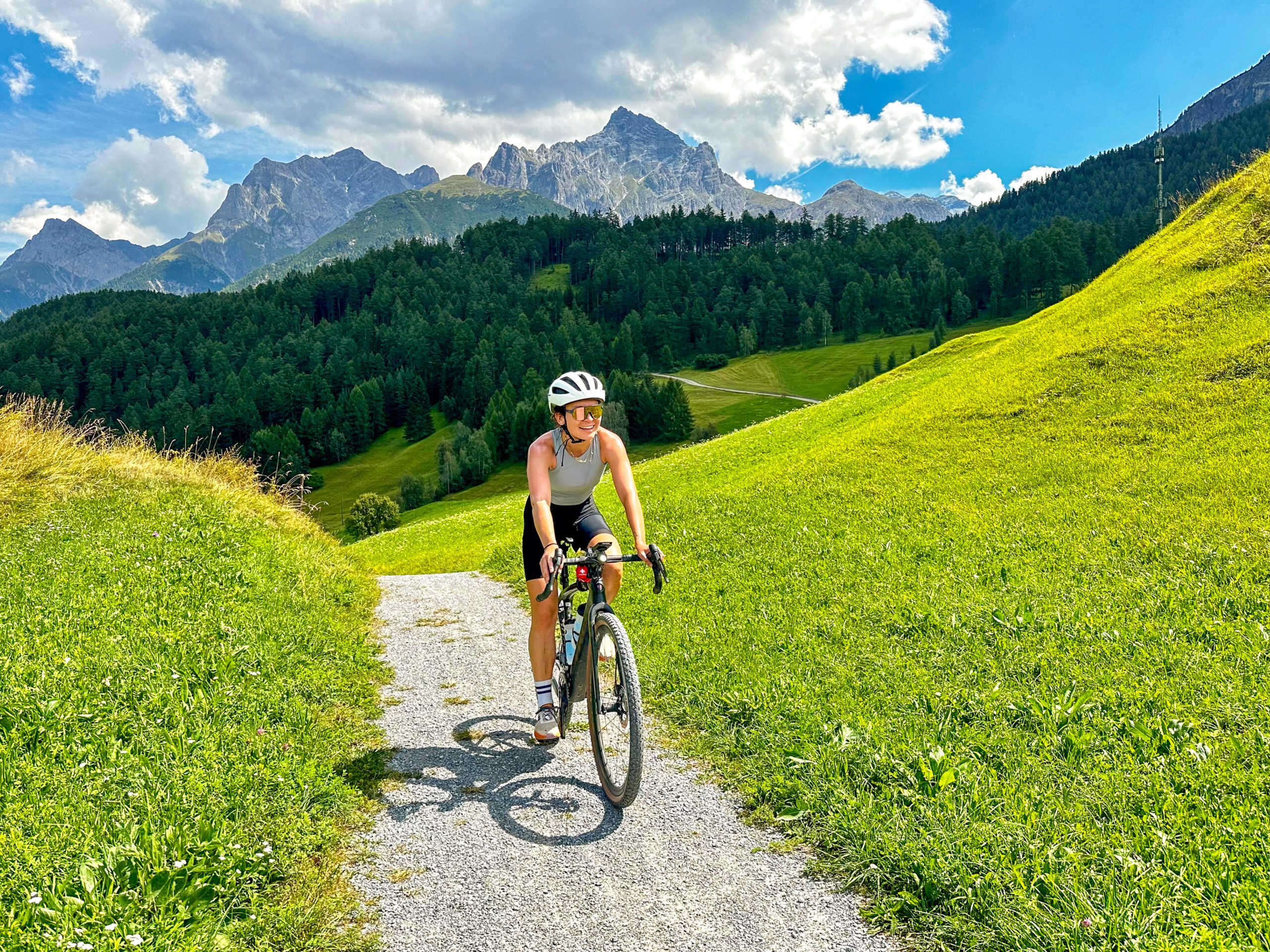
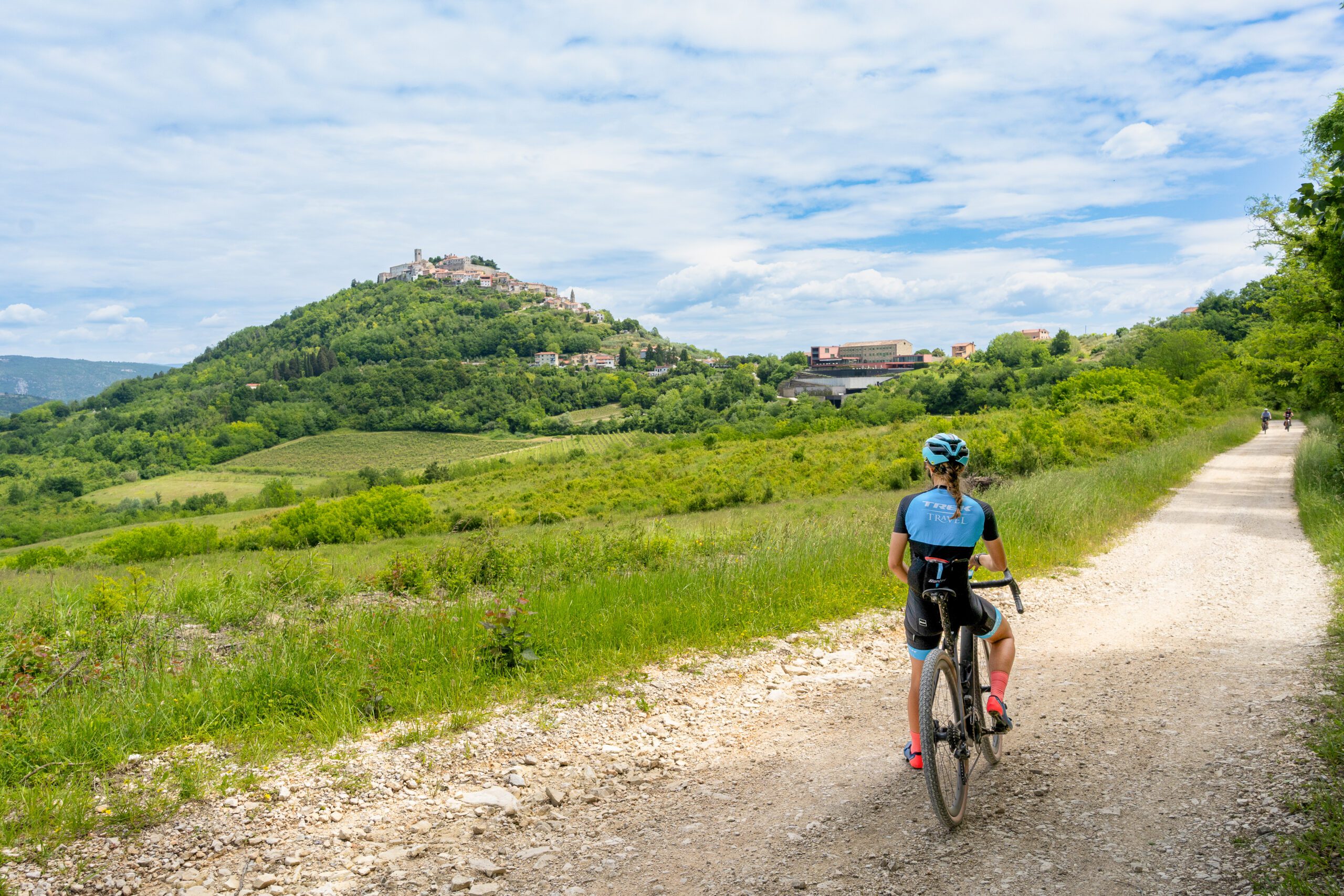
Imagine pedaling along Croatia’s vineyard-lined trails and unwinding at a boutique wine hotel. Or tracing Tuscany’s strade bianche, where every curve brings sweeping views of the Italian countryside. In Girona, you’ll follow the same gravel routes that pro cyclists call their training ground. Closer to home, Vermont’s covered bridges and rolling dirt roads create a picture-perfect gravel playground, while South Dakota’s Black Hills and Bentonville’s thriving gravel scene offer rugged adventure and cultural charm.

No matter the destination, these new bikes ensure that every climb, descent, and long stretch of gravel is smoother, faster, and more fun than ever before.
Gravel Cycling Tips for Beginners

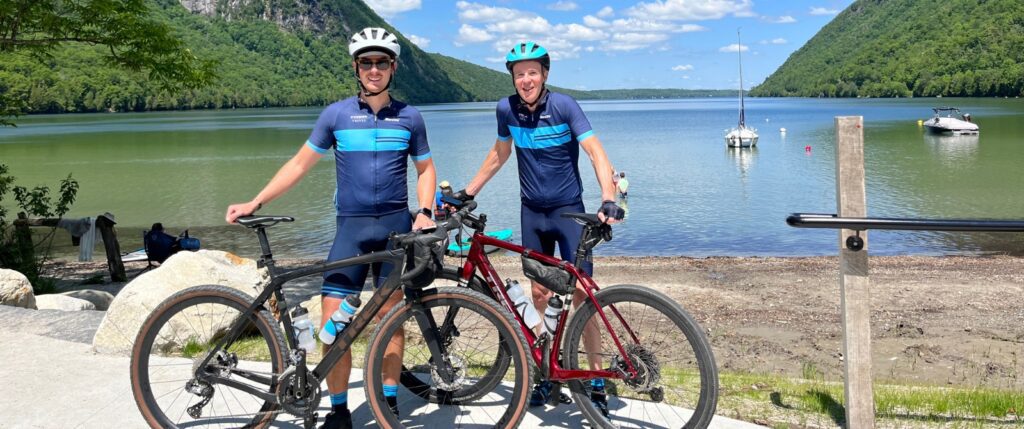
Two cyclists in front of a lake with sailboats

Starting your first gravel bike ride opens the door to the exciting journey into a world where adventure, exploration, and cycling meet. To help beginners navigate this new terrain, here are essential tips from our friend the Gravel Cyclist, to ensure a smooth and enjoyable introduction to gravel cycling.

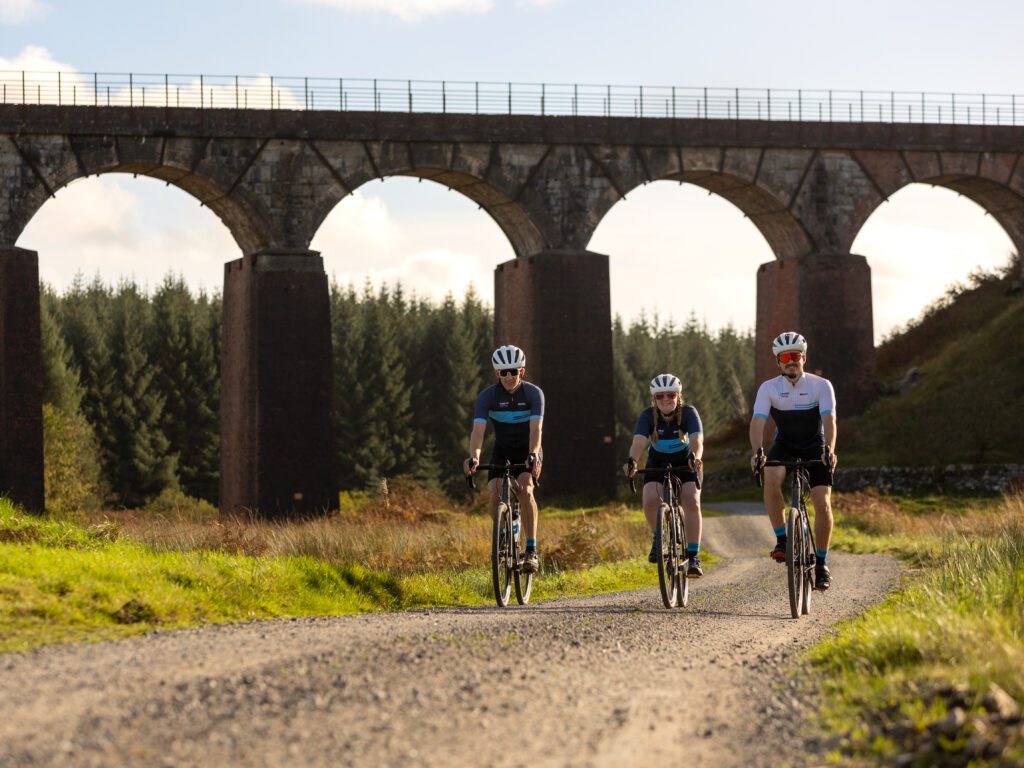
Cyclists riding through Big Water of Fleet Viaduct with 70 foot high granite arches

Master Clipping into the Pedals

Ensuring your feet stay securely attached to the pedals over bumpy terrain is crucial for when you are riding gravel. Practice clipping into the pedals in a safe, controlled environment to build confidence and muscle memory before your trip. We guarantee this will make your rides smoother and more enjoyable.

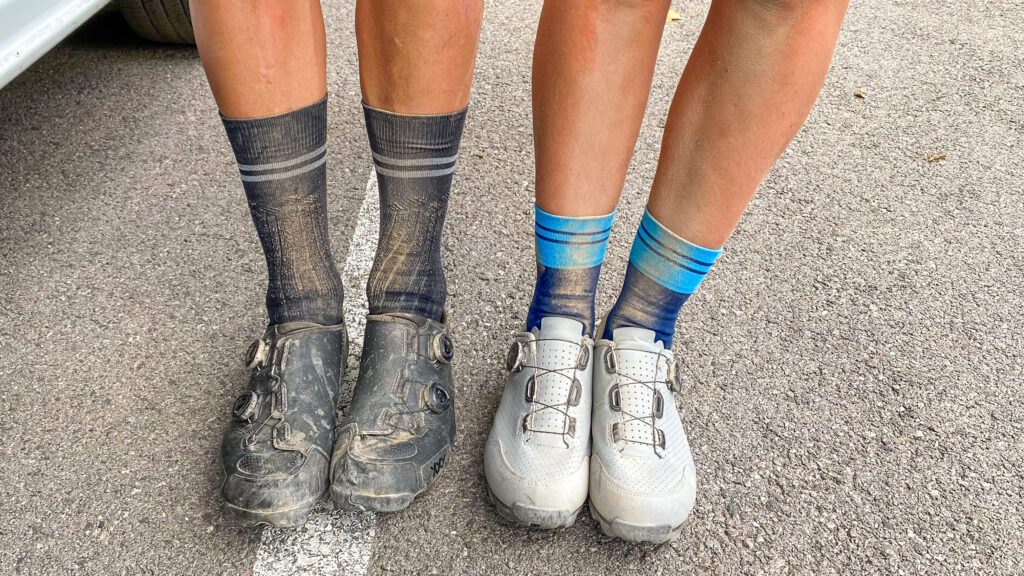
Two gravel cyclists and their dirty socks.

Choosing the Right Shoes

Footwear can make a significant difference in your gravel riding experience. The best shoes for gravel cycling are designed for off-road use and feature recessed cleats. They provide stability over mixed terrain and comfort if you need to hike-a-bike, enhancing your overall ride experience. See our top picks for gravel biking shoes at trekbikes.com

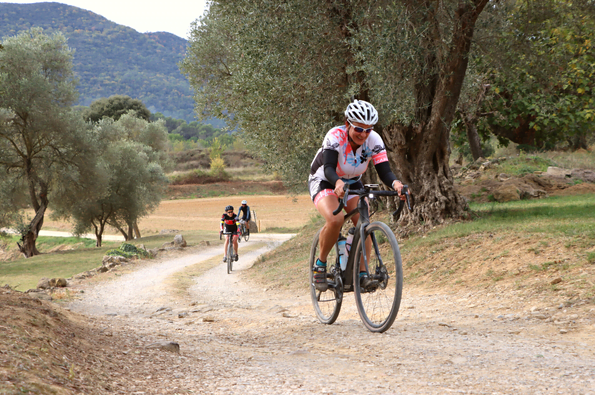
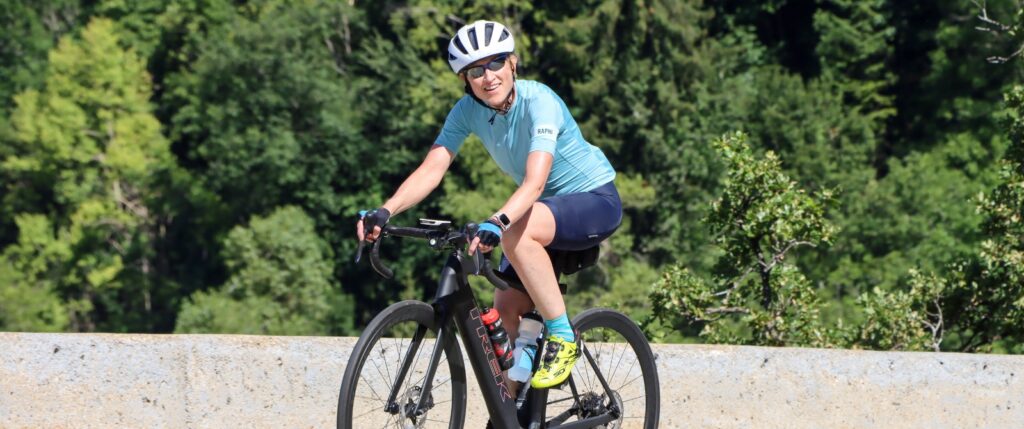
Woman riding gravel on the Girona Gravel bike tour

Climbing, Descending, and Cornering

Navigating the loose and uneven surfaces of gravel roads requires adept skills in climbing, descending, and cornering. Techniques like staying seated during climbs to maintain traction, braking prior to turns, and adopting a lower center of gravity on descents are vital for handling the challenges of gravel riding.

Navigating Dynamic Conditions

Gravel roads are known for their ever-changing conditions. Developing solid gravel bike handling skills is essential for safely navigating through rough patches, sand, and other obstacles you’ll encounter, ensuring a safe and enjoyable gravel cycling experience.

Staying on the Right Side of the Road

Even though traffic is often minimal on gravel roads, it can appear when you least expect it, so safe riding practices remain a top priority. Keep to the right side of the road at all times, but particularly when approaching blind corners and the crest of a hill.

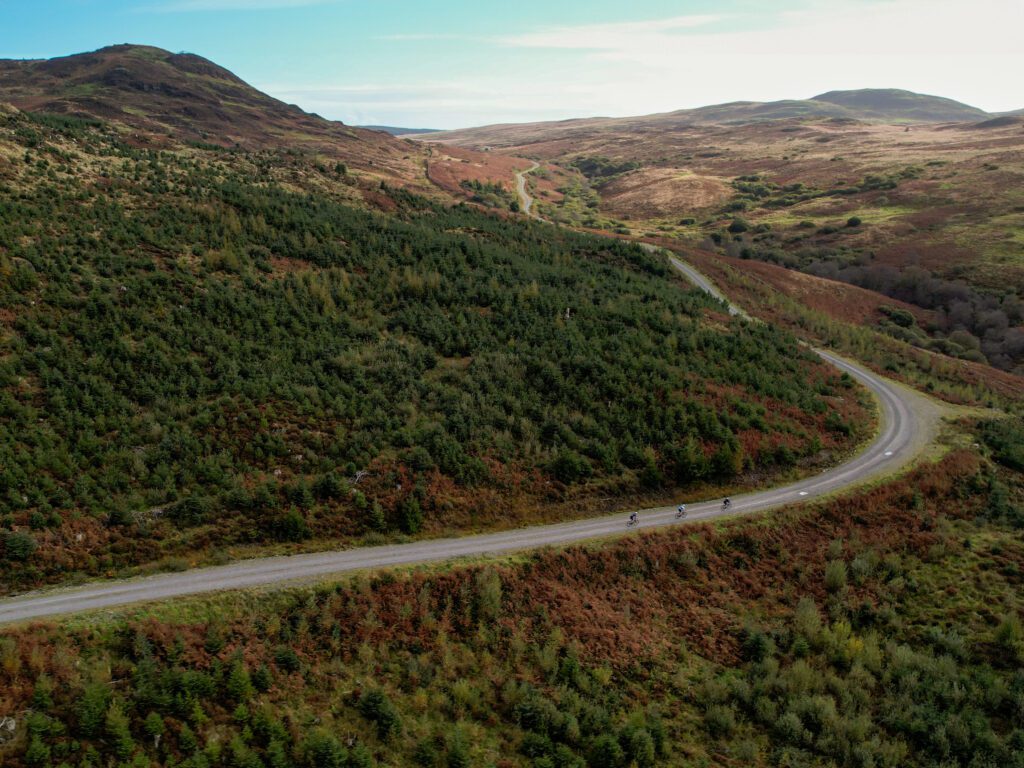
gravel road through forest and hills

Understanding the Effort Required

Gravel cycling is more physically demanding than riding on paved roads. Recognizing that gravel rides require about 25% more effort and time compared to similar distances on pavement is important for planning and enjoying your gravel cycling adventures.


Gravel cycling for beginners is an exhilarating adventure that blends the physical challenge of cycling with the beauty of off-the-beaten-path exploration. By focusing on these key tips and preparing adequately, you’ll not only enhance your gravel cycling skills but also ensure each ride is both safe and enjoyable. Welcome to the diverse and captivating world of gravel cycling, where every ride invites discovery and adventure.

Gravel bike tours

Elevating Your Cycling Experience with Trek Travel's World-Class Gear

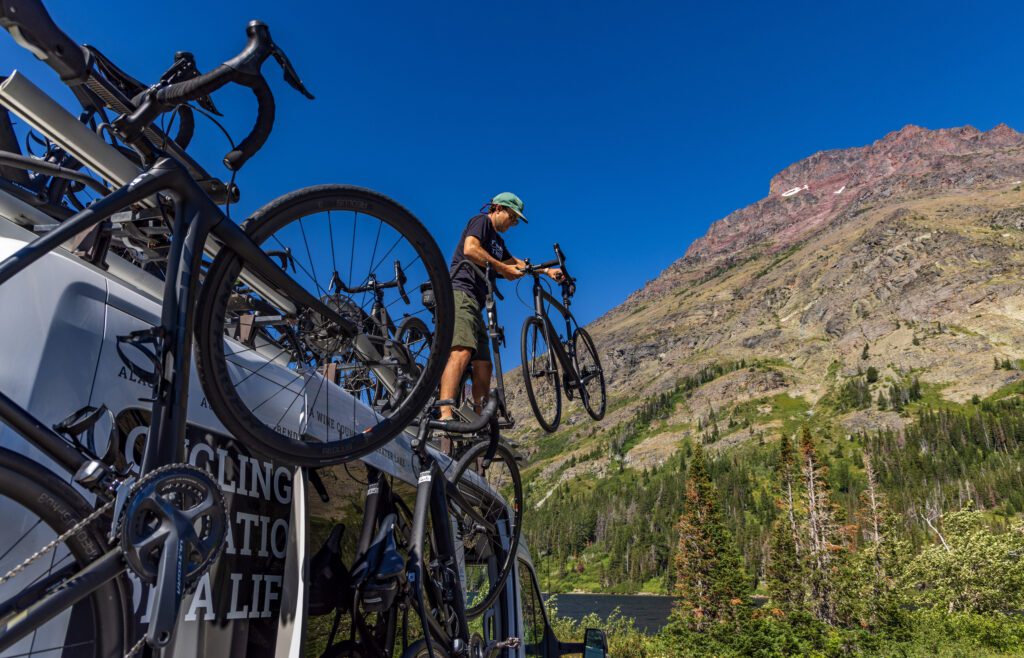
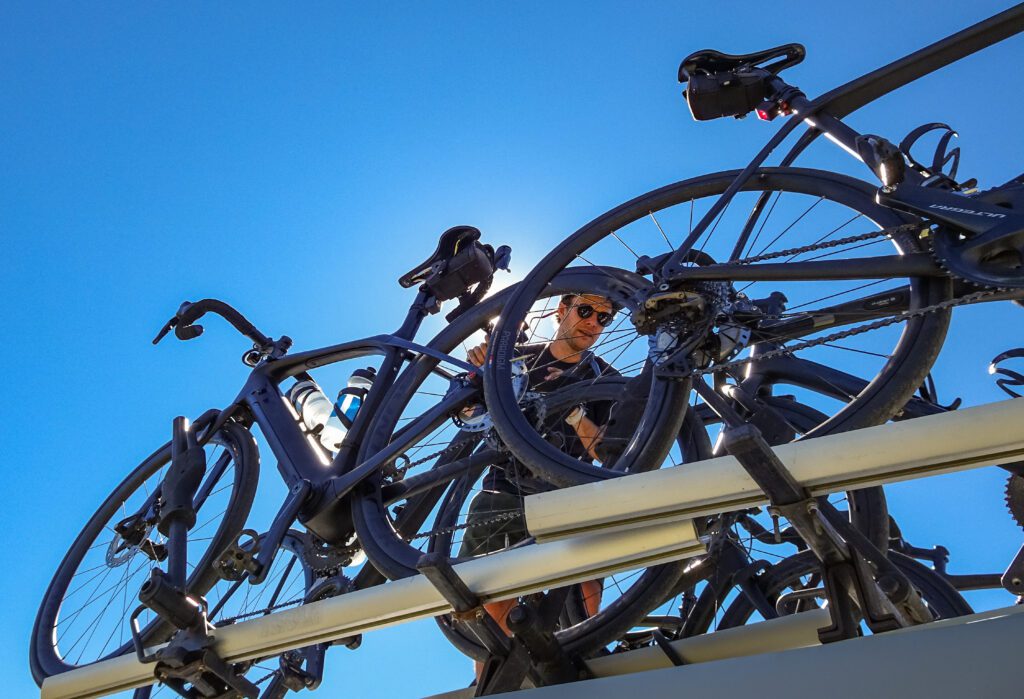
A Trek Travel guide lifting bikes from the Trek Travel van.

Discover the Difference with Trek’s Top-of-the-Line Bikes and Equipment. Trek Travel Bike Tours are renowned not just for breathtaking routes but also for our commitment to providing guests with high-performance cycling gear. This commitment ensures an unmatched riding experience, making every trip with Trek Travel memorable.

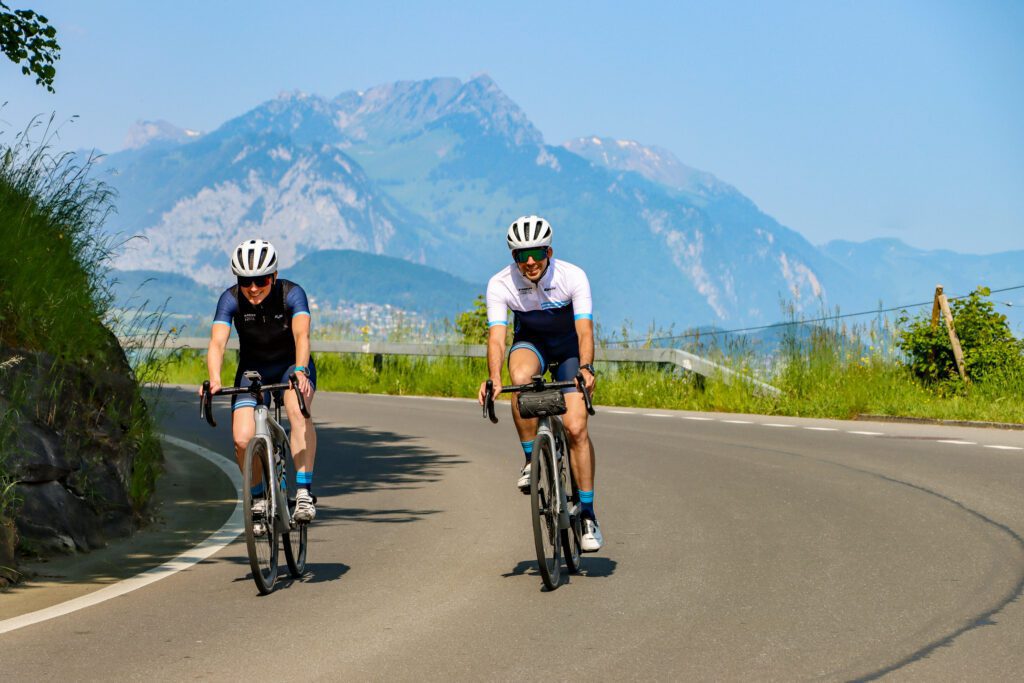
2 cyclists in front of a mountain

The Trek Domane SL 7: The Star of the Show

In our Trek Domane SL 7 Review, we delve into why this bike is a standout in the world of cycling. It’s engineered for both comfort and performance, making it ideal for long rides and diverse terrains. The Aeolus Pro 37 Carbon Wheelset is a highlight, offering unmatched durability and a lightweight build for effortless climbing and acceleration. The Shimano R8170 12-speed Di2 Components ensure that shifting gears is smooth and intuitive, enhancing the overall riding experience. The Rear IsoSpeed Decoupler is a revolutionary feature that absorbs road vibrations, providing a smoother ride and reducing rider fatigue.

A rider in the Alps

Power Up Your Ride: The Trek Domane+ SLR 7 Electric Road Bike

The Trek Domane+ SLR 7 Electric Road Bike is a testament to the advancements in Electric Road Bikes. It’s designed for those who love the thrill of cycling but appreciate a little extra assistance on challenging terrains. The integration of a state-of-the-art electric motor with traditional road bike design creates a seamless blend of speed and endurance. This bike is perfect for extending your rides, exploring new terrains, and enjoying the journey with less strain.

The Trek Verve+ Electric Hybrid: Comfort and Power Combined

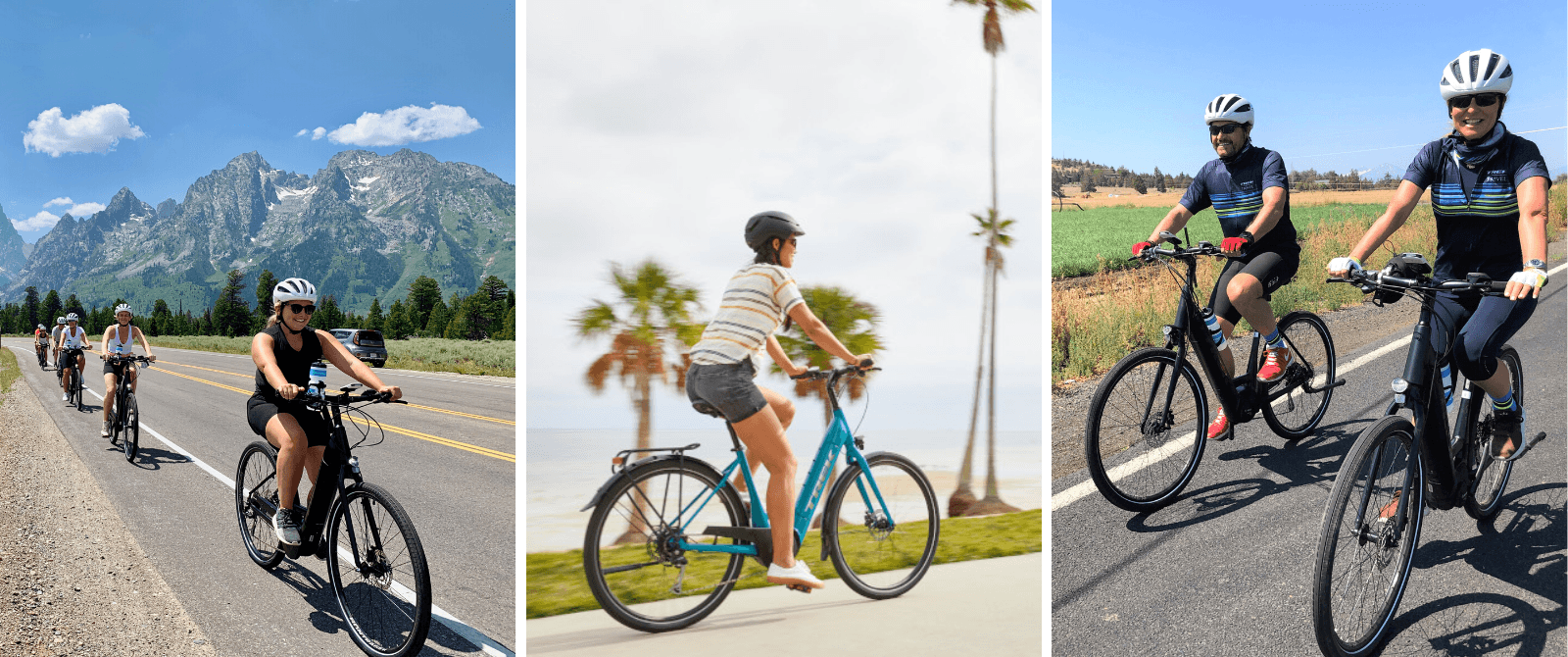
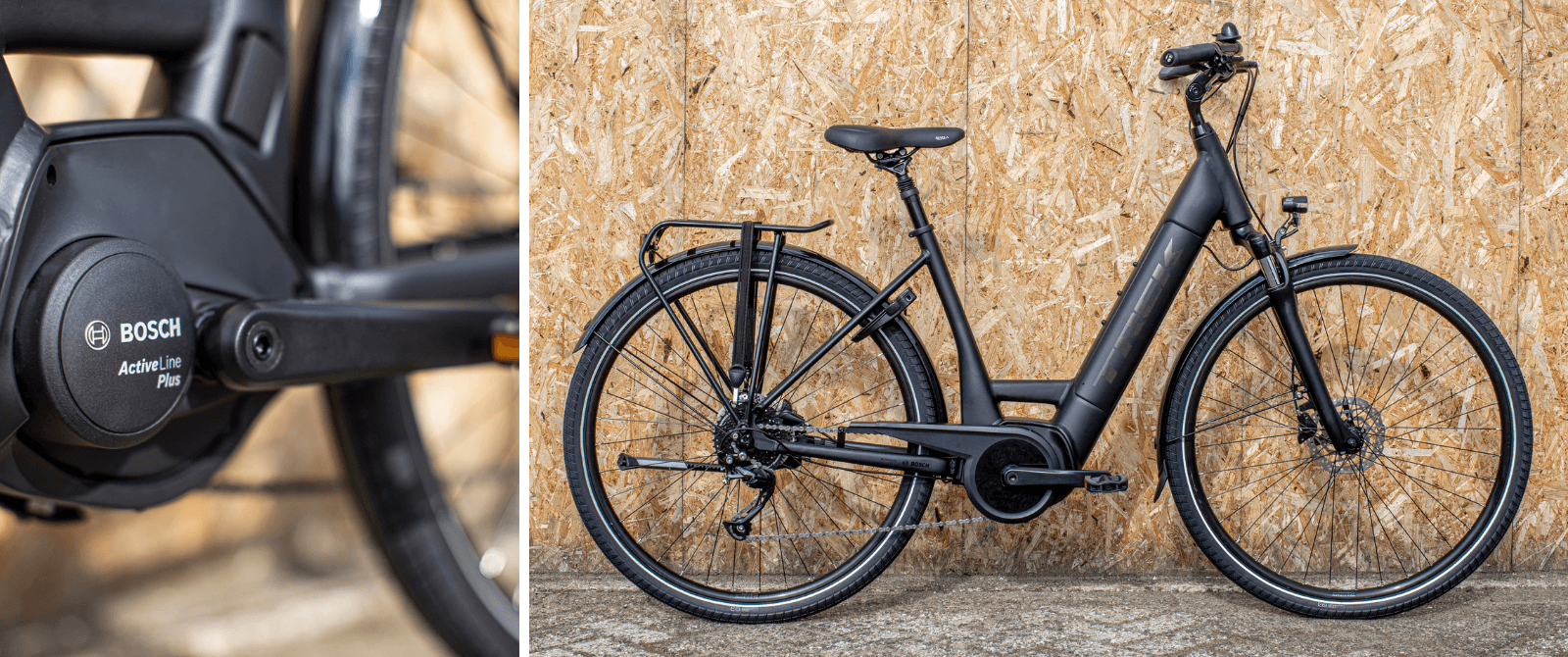
The Trek Verve+ Hybrid Bike is the epitome of comfort and efficiency in cycling. Its ergonomic design, including a Low-Step frame and front suspension, makes it ideal for a variety of riders. The integration of the Bosch electric system provides a smooth, consistent power output, making it perfect for coastal climbs or leisurely rides in the countryside. This bike redefines what it means to ride with ease and style.

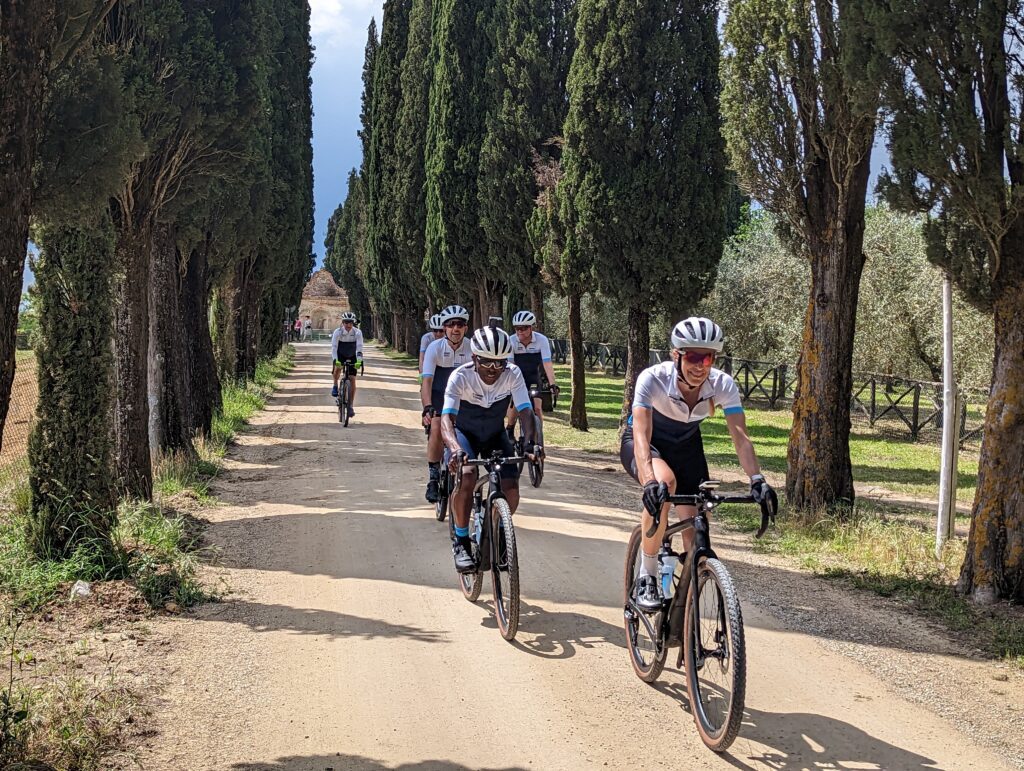
Group of cyclists riding a tree lined gravel road

For the Gravel Enthusiasts: The Trek Checkpoint SLR 7

For those who crave adventure off the beaten path, the Trek Checkpoint SLR 7 is a dream come true. It’s specifically designed for Gravel Biking Adventures, offering a balance of agility and stability on rough terrains. The bike’s versatility is unmatched, capable of handling everything from gravel roads to rugged trails, making it a top choice for adventurers and explorers.

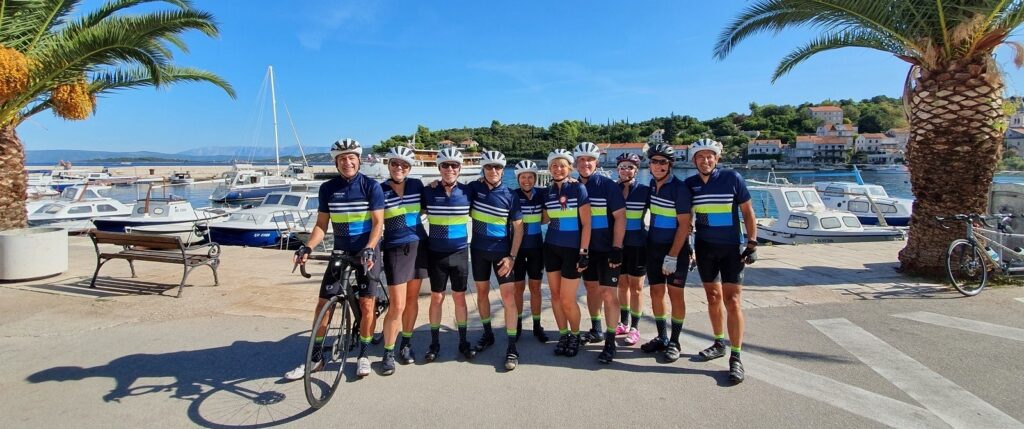
A group of people in bike jerseys standing in front of an ocean

Safety and Navigation: Bontrager WaveCel Helmets and Garmin GPS

When it comes to cycling, safety is paramount. Trek Travel ensures riders are equipped with the best in Cycling Safety Gear, including the innovative Bontrager WaveCel helmets. These helmets are at the forefront of safety technology, offering superior protection in the event of an accident. Additionally, the Garmin GPS computers provide reliable Cycling GPS Navigation, ensuring that riders can explore with confidence, knowing they have the tools to find their way.

A Trek Travel guide lifting bikes from the Trek Travel van.

Personalized Bike Fit for Maximum Comfort

Trek Travel’s Personalized Bike Fitting service is a game-changer in ensuring maximum comfort and efficiency during your ride. This service, conducted by sports medicine experts, ensures that every aspect of the bike is adjusted to fit your body perfectly. From the saddle height to the handlebar reach, every adjustment is made with your comfort and riding style in mind. This personalized approach to bike fitting can significantly enhance your overall cycling experience, making long rides more enjoyable and less taxing on your body.


Opting for Trek Travel’s cycling vacation equipment means choosing a journey that’s not just about the destination but also about the joy of the ride. The combination of state-of-the-art bikes, cutting-edge technology, and personalized services ensures that whether you’re an experienced cyclist or a casual rider, your experience will be unparalleled in comfort, performance, and enjoyment.


Bikes and Gear

New Partnership with Santini Cycling

Our partnership with Santini and new guest jerseys for 2023!

We are excited to announce a new partnership with Santini as our official supplier of cycling apparel. As a household name in the cycling apparel industry, Santini is known for its premium quality and cutting-edge design. These new top-of-the-line jerseys will be available to guests on select trips, allowing you to ride in style and comfort. “This partnership with Santini is a natural fit for Trek Travel,” said Tania Burke, President of Trek Travel. “We are committed to providing our customers with the best possible cycling experience, and Santini’s premium cycling apparel will help us achieve that goal. We are excited to work with Santini to create a unique and memorable cycling experience for our customers.”

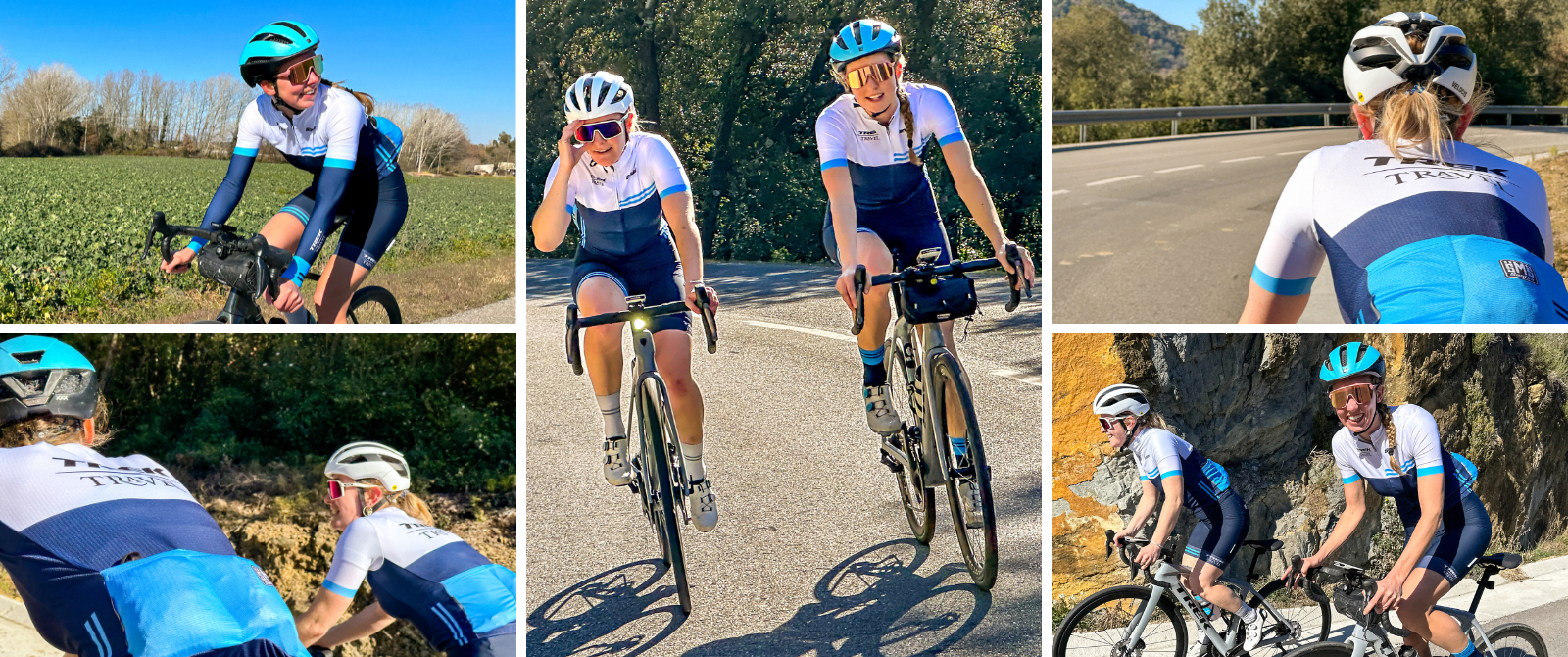
Santini has been producing cycling apparel for over 50 years and has developed close relationships with professional teams, like Trek Segafredo, and athletes around the world. The 2023 guest jerseys are made of lightweight performance fabrics, keeping you cool and looking great while riding. The design features a white and navy colorway, complemented by Trek Travel’s signature light blue accents. Guests who book a Signature, Reserve, Cross Country, or Pro Race trip this year will receive the new Santini jersey. Check out our jersey reveal video and gear up for your ride in 2023!

Meet the Domane SL 7 and the Domane+ SLR 7

Starting in 2023, we’re adding two new Trek bikes into our fleet: the Trek Domane SL 7 and the Domane+ SLR 7 Electric Road Bike. Learn more about why we think these bikes are going to take you to bigger and better places next year.

Domane SL 7

The new Trek Domane SL 7 raises the bar to deliver incredible endurance road bike comfort without sacrificing performance and features highly responsive disc brakes and electronic shifting. This new bike is lighter than ever before, and carbon wheels come standard on every bike. The road-smoothing IsoSpeed technology lets you ride as long as you want with less fatigue. This sleek bike will be available on select North American and European bike tours starting in 2023 and is included in your trip price. See trip pages for details.

A studio image of a Domane+

Domane+ SLR 7

With a groundbreaking ratio of ultra-lightweight design and high-speed assist, Domane+ SLR 7 has everything you love in a road bike, with the extra boost to take you farther than ever before. This performance e-road bike will help you fly up challenging climbs, hang with the fast group, and venture further on your cycling vacation. It is a great fit for strong riders who want to tackle most terrain on their own but could use a little help in tough spots. The Domane+ SLR 7 is available as an upgrade starting at $400 on select trips. Pricing is based on trip length.
Three Features We Love: Domane SL 7

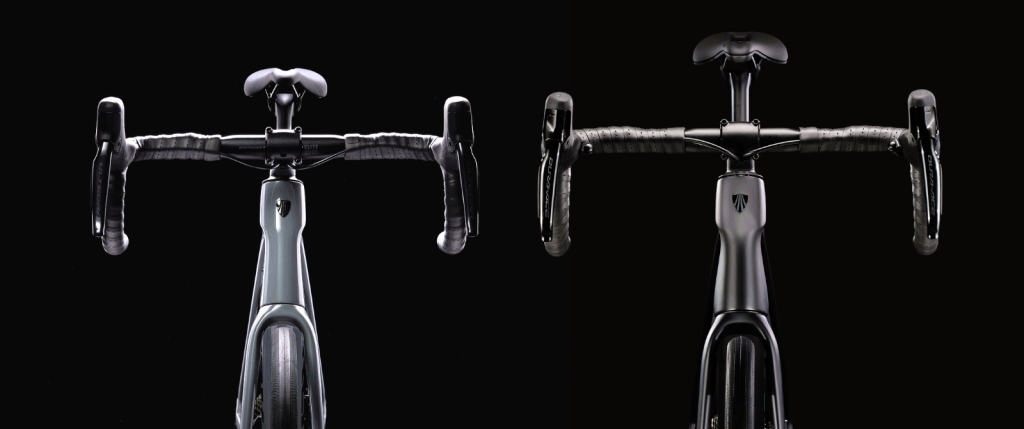
1. Updated tube shaping, and a newly integrated cockpit improves aerodynamics making the new Domane SL 7 is the lightest Domane disc ever.
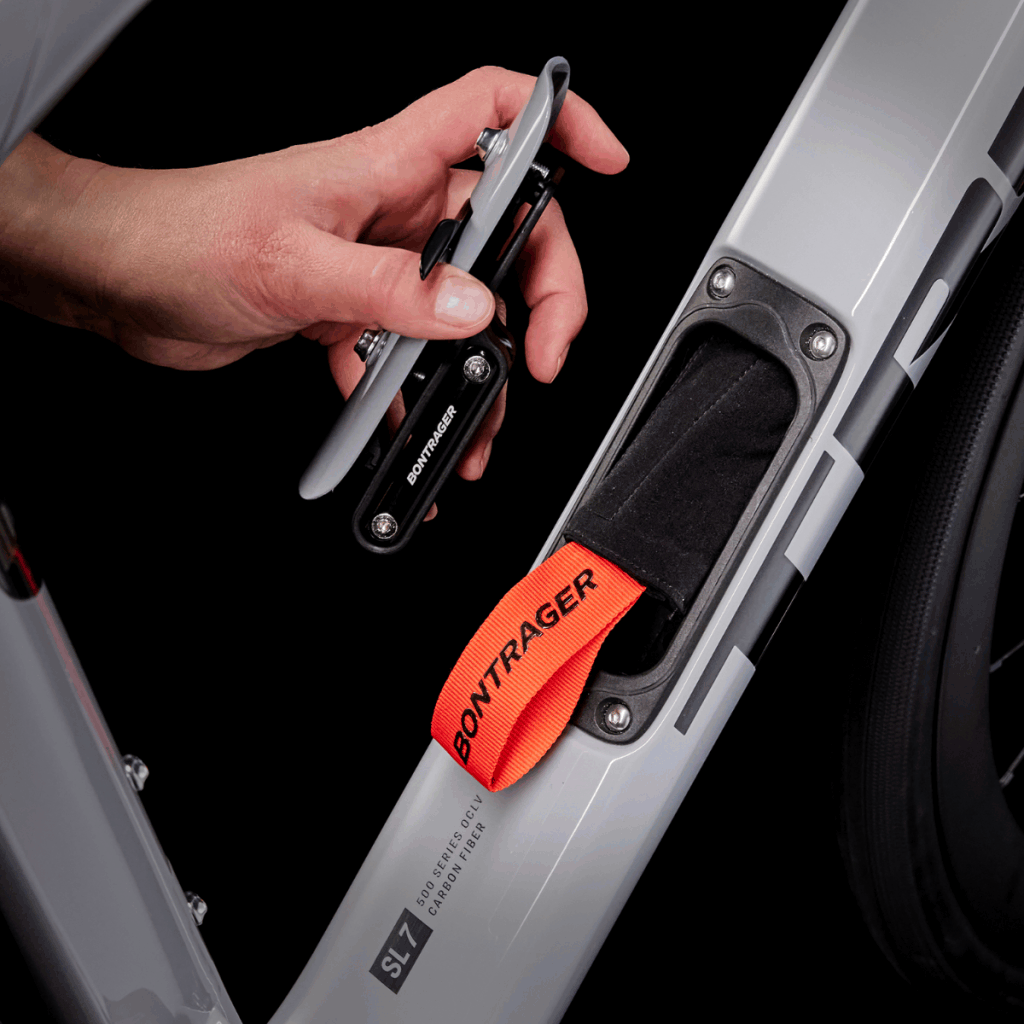
2. New Internal downtube storage is the perfect place to store some gear for a full day of adventure.
3. Bontrager Aeolus Pro 37 TLR Disc Carbon Road Wheels now come standard on the new Domane. With better handling and less vibration, the best ride is built right into the bike.

Three Features We Love: Domane+ SLR 7

1. The Domane+ SLR 7 doesn’t look, sound, fit, or feel like an electric bike. It’s a true road bike experience with a powerful boost yet surprisingly light.
2. This bike has a max assist of up to 28 MPH (15 MPH in Europe), with a 360-watt/hour battery that can take riders around 60-miles in Eco mode.
3. It’s remarkably light – weighing in at just around 27 pounds thanks to a lightweight frame design and compact e-system.

Can’t wait to ride these bikes? Check out our brand new trips and experience the cycling vacation of a lifetime with the best bikes in the business.


All Bike Tours

Add pedal power to your travel adventures with an e-bike – USA TODAY Go Escape Winter magazine

person riding an e-bike

Organized bike tour companies are adding more pedal power with the inclusion of the e-bike (electric-assist bicycle) so all levels of bikers can enjoy the whole ride, making bicycling more accessible and ultimately, more people travelling more often by bike. Sal Vaglica, contributing writer for USA TODAY’s Go Escape Winter magazine, features Trek Travel in his article in the Winter 2022 edition of Go Escape Magazine by USA Today.

Sal Vaglica writes,“Riding an e-bike is certainly a workout — you’ll earn a glass or two of wine — but with a tour, that’s just about the toughest part. Once paid, almost everything from your hotel and dinner reservations to turn-by-turn directions is handled for you. You’re left to focus on enjoying the vacation instead of fretting about logistics.”

“We did our first trip with e-bikes back in 2019 through Scotland,” says MarySue Howisey of the tour she took with her husband through Trek Travel. “Getting e-bikes was the best decision because you focus on the vacation and the views, and not the hill in front of you. And you can breathe after you get to the top.”

Read the full article in USA Today’s Go Escape Magazine»


See some of the trips from Trek Travel’s E-bike Collection


Explore all e-bike vacations with Trek Travel

See E-bike Tours

The force behind our e-bikes

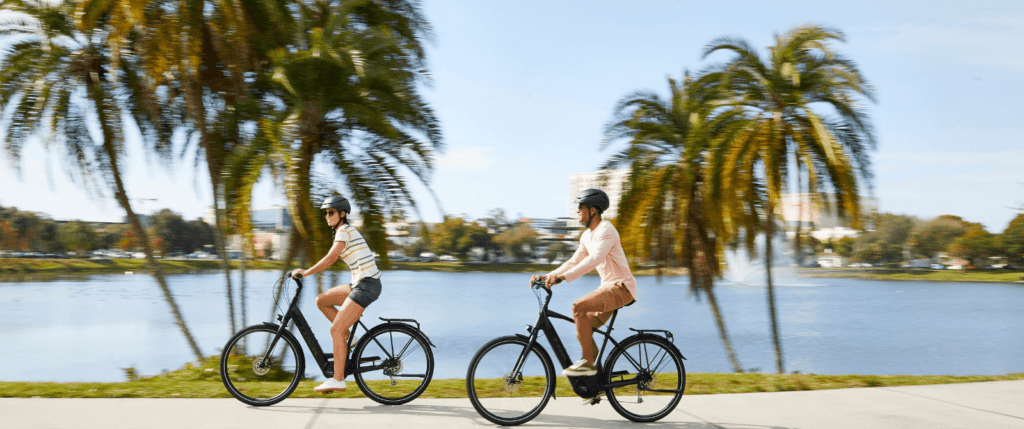
two people riding e-bikes on a paved, waterfront path with palm trees in the background

If you look around your home, it wouldn’t be surprising to find a Bosch appliance, but did you know that Bosch is also responsible for engineering the pedal-assist technology that powers our e-bikes? We sat down with some of the e-bike experts at Bosch to learn more about the motors that make our bikes go.


Who is Bosch?

Bosch was founded in 1886 and contributed one of the key technologies that helped make internal combustion possible for use in automobiles – the magneto ignition device. Today, Bosch technology is present in a variety of industries around the world. In fact, it’s difficult to go through a day without Bosch technology touching your life in some way. Bosch sensors are in more than 50 percent of cell phones, Bosch home appliances and power tools are found in homes and worksites globally, Bosch security cameras adorn buildings all around the world, while Bosch hydraulic technology is present in the Panama Canal and Tower Bridge in London. Virtually every vehicle on the road in the world today has Bosch technology on it, and Bosch was the first to bring life-saving safety technologies like anti-lock braking and electronic stability control to market. Known for its quality and dependability, Bosch’s technology and expertise in electric motors, sensor technology, displays, and lithium-ion batteries makes them the leading and most-qualified supplier for electric bike systems.

When and why did Bosch start making e-bike motors?

Bosch first forayed into e-bikes in 2011, when the Automotive Electronics division launched its first e-bike system and essentially shaped the modern e-bike as we know it today. Once a small startup within Automotive Electronics, e-bike is now its own independent division within Bosch, which truly demonstrates just how far e-bikes have come and how highly valued they are within the company as a pillar of Bosch’s mobility solutions sector.

So, why e-bikes? Broadly speaking, Bosch sees the mobility of the future characterized by three elements: automation, electrification, and connectivity. E-bikes exemplify these traits, and broaden Bosch’s definition of mobility to include more than just automotive transportation. Mobility is a basic human need, in whatever form it takes to get from place to place, and e-bikes unite technology with healthy human-powered mobility, which really stays true to our motto, “Invented for Life.”

What can you tell us about the components that you’ll find in the Trek Verve+ 3 that we ride on our trips?

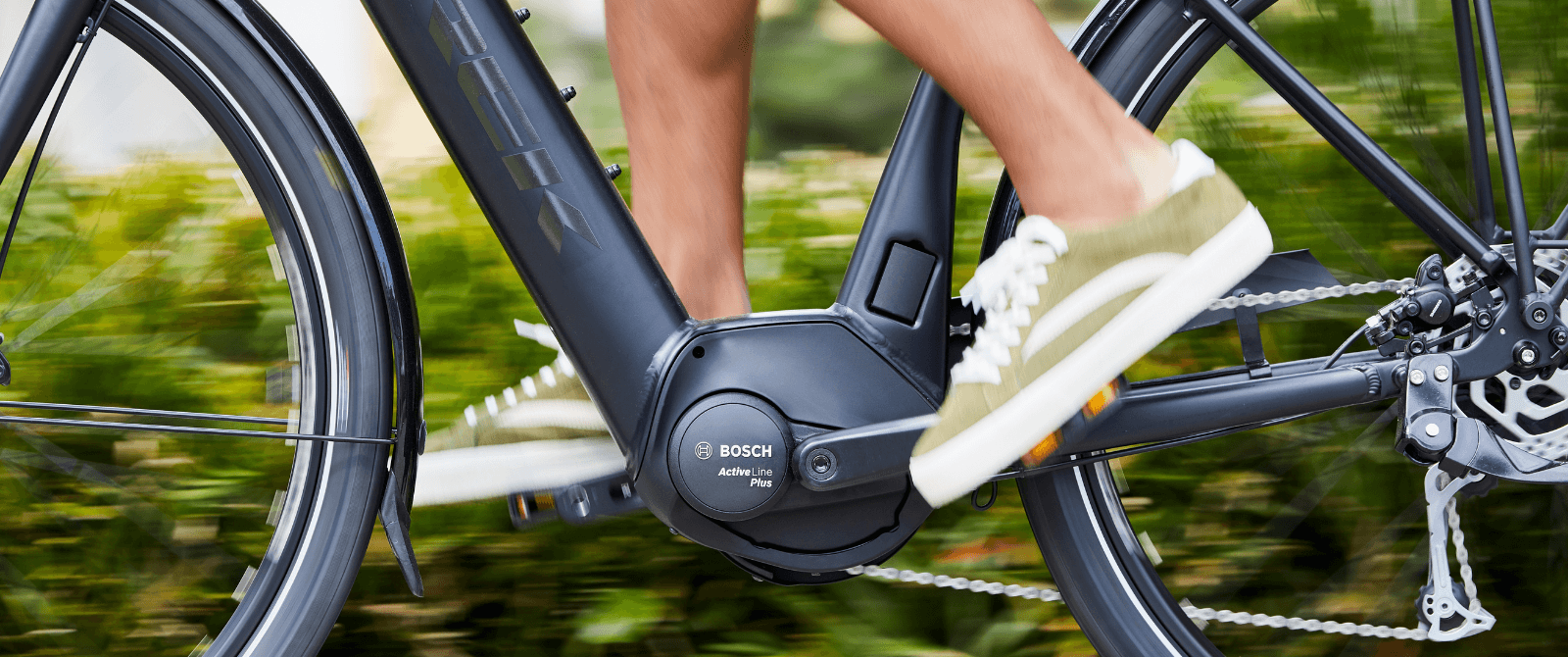
The Trek Verve+ 3 sports the Active Line Plus, a well-balanced Class 1 drive unit with a max assist speed of 20 mph or 32 km/h. It has enough torque to succeed on hills while maintaining excellent battery range, bringing simple enjoyment to everyday riding. It’s quiet, reliable, and has barely any noticeable pedal resistance. The power of the Active Line Plus is delivered smoothly to achieve a natural riding sensation.

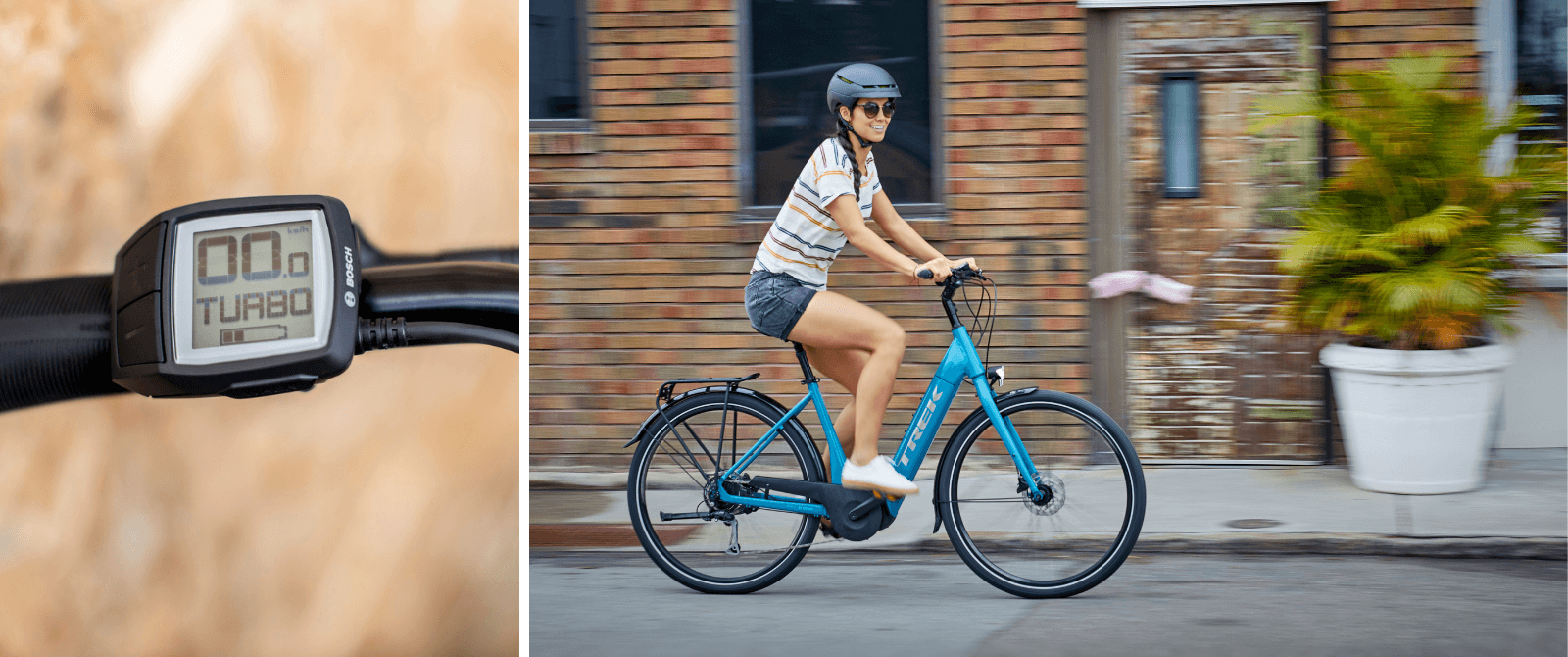
Purion is our compact, easy-to-read display that’s mounted on the left handlebar with the e-bike assist controls integrated within it. The display provides a clear overview of the charge status, speed, riding mode, range, trip distance, and total distance. All the important details are just a thumb-click away, perfect for riders who want simplified information and controls.

Bosch’s PowerTube lithium ion batteries have the power you need for any ride, and are easily rechargeable from any standard 110v wall outlet. The Verve+ 3 integrates its PowerTube 500 battery within the frame for worry-free riding, and a safety latch prevents the PowerTube from falling out even on challenging terrain.

How much power is in a typical e-bike battery?

Our e-bike batteries have their capacity measured in watt hours (Wh) and come in several sizes ranging from 400 Wh to 625 Wh. On average, you’re paying roughly 17 cents for every battery charge, and traversing anywhere from 35 to 100 miles on a single charge, depending on various factors (which you can learn about on our interactive e-bike Range Calculator page). It’s tough to compete with that level of energy efficiency versus a car!

Are there any surprising statistics or facts to know about?

  • • Our Speed, Torque, and Cadence sensors make over 1,000 measurements per second as you ride, which translate to smooth, realistic, and quick responses to every pedal push you make.
  • • Our 4-amp Charger will take your e-bike battery from zero to full charge in roughly 4.5 hours.
  • • The Purion display also lets you control your integrated lighting by holding the “+” key.
  • • As a company, Bosch has made good on our promise to achieve carbon neutrality by 2020.
  • • The Robert Bosch foundation, a nonprofit foundation, holds 92 percent of the company’s shares, seven percent are in the hands of Robert Bosch’s descendants, and the company holds the remaining one percent.
  • • Our complete e-bike system features the UL 2849 safety standard from the prestigious Underwriters Laboratory (UL), a strong commitment to long-term component quality for peace of mind.
  • • Want a tune-up? Our field team has trained over 4,400 retailers in North America to bring e-bike expertise to every neighborhood.
  • • E-bikes are so much fun, it’s virtually impossible to complete an e-bike ride without smiling.

What’s the most important thing to know about e-bikes?

E-bikes are even more fun with friends! Riders on your Trek Travel trip can enjoy the same sights and climb the same hills regardless of differences in riding skill or fitness level, making a tour by e-bike an unforgettable experience for everyone.

Explore e-bike vacations with Trek Travel

See E-bike Tours

Our Best Winter Cycling Training Tips

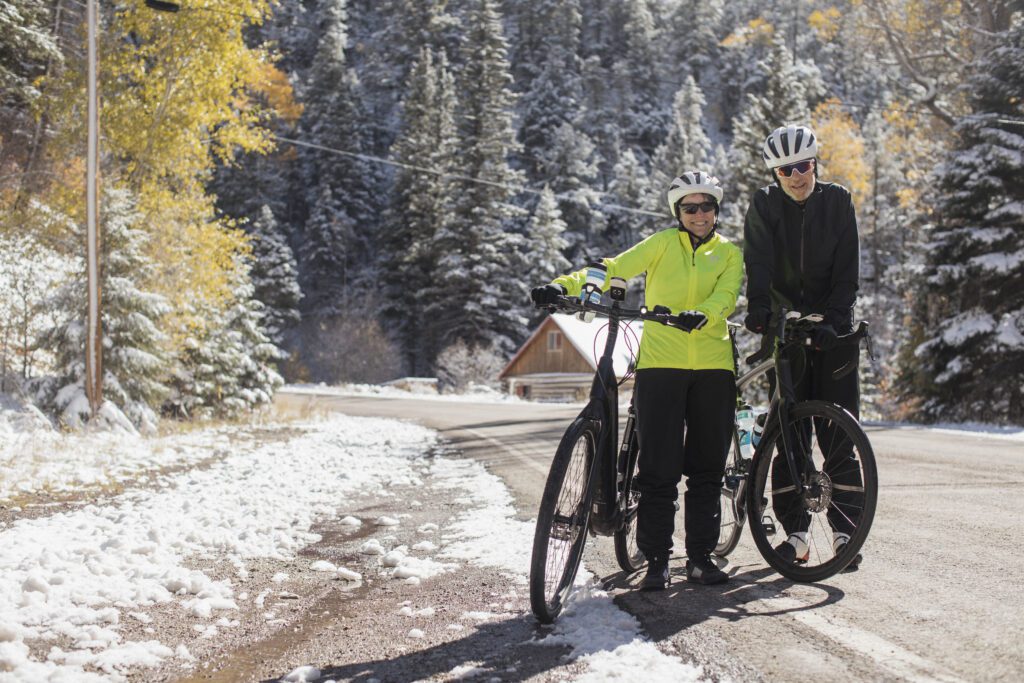
Two cyclists biking in the winter

It’s cold outside, but that doesn’t mean your fitness should go cold, too. Get our winter cycling training tips, tricks, and training plans to keep riding through all seasons.

It’s easy to let your fitness slide in the winter. Eating habits change, weather becomes less inviting, and summer cycling season seems like a faint memory. But here’s the truth that nobody ever tells you: cycling training in the winter is what riding strong in the summer is all about. The winter is where you lay the groundwork for great season; the kind of groundwork you just can’t build in a few rides. I’ve been riding and training for almost 20 years, and in that time, I’ve learned that winter is work season. Here are a few tips for training, dressing for, and succeeding despite the precipitous drop in temperature.

Winter Cycling Training: Zone 2 is Number 1

If you’re familiar with cycling training, you might have heard of “zone 2” riding. The rest of us refer to this as “base training,” and it’s what winter is all about. Base training is just that: the foundation of riding stronger, later. With a proper base, you’ll have more endurance, more repeatability, and the fitness to go on long rides day after day. A good base also makes hard efforts feel easier, so even if you only plan on riding short distances in the summer, base is your friend.

The good news? Building it is as easy as Thanksgiving pecan pie. It just requires dedication to your “Zone 2” heart rate. If you can test yourself, great. You’ll get a Zone 2 heart rate from that test. If you don’t want to test, you can also ride by feel, in the zone I call “comfortably uncomfortable.” It’s where you’re working hard, but you can sustain the effort for an extra long period of time. It’s usually anywhere from 65%-80% of your maximum heart rate. And then the challenge is to spend as much time in that zone as possible. Five hours a week? Great. 10 is even better. At 20 hours, you’re approaching pro fitness.

The trick is to avoid disruptions to your time in zone. No stops. No freewheeling. No coasting. Just spend as much uninterrupted time as possible. After one to two months of this, you’ll end up with stronger legs, and you’ll be ready for harder efforts later.

Winter Cycling Training Gear

Cold changes everything. It either forces you indoors, or forces you to layer up for outdoor riding. Let’s take a look at each.
Outdoors
Since I’m in Colorado, I can count on one thing: Change. The weather starts cold in the morning and warms up fast. And the only way to protect against changing weather is layering up. For every ride, I put on several layers to stay warm at first, and gradually peel them off as the sun comes out. That means bib tights or leg warmers, a base layer, long sleeve jersey, jacket, gloves, a hat or balaclava, and either shoe covers or winter shoes. Check out our favorite winter riding gear on trekbikes.com.
Indoors
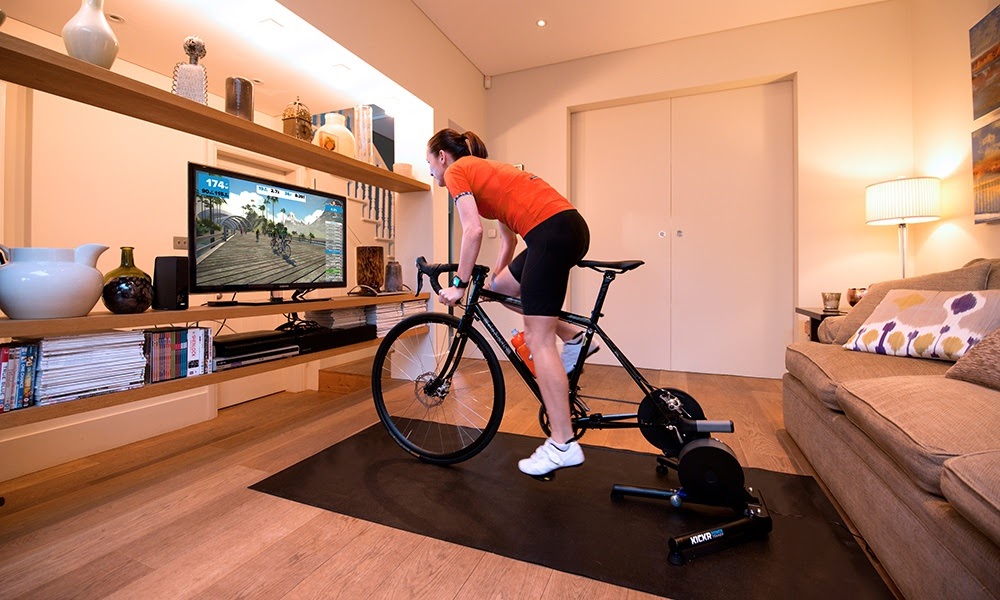
The rise of smart trainers and online training software has completely changed the experience of riding inside. Today, cyclists can get on their Peloton spin bikes, or they can choose to recreate the experience of riding outside with a direct drive (wheel-off) smart trainer that adjusts the resistance for them, and an online gaming simulation or software like Zwift or TrainerRoad. There are plenty of options to choose from, and if you decide you really love it, you can augment the experience with tools to help you climb or even rock the bike underneath you. Browse trainers and get riding inside.

Winter Cycling Training Programs

Like you probably heard from your parents before – failing to plan is only planning to fail. Any great summer season starts with a great plan, and there are plenty of options to choose from. I personally have used several, but my current favorites include Zwift and VisionQuest. Zwift offers indoor training plans for winter, with specific options depending on the nature of your event. You just need to start by taking a fitness test, guesstimate the number of hours you can commit to per week, choose your plan, and go. The software takes care of the rest.

VisionQuest offers a similar program, only with more options, more ways to customize based on your goals, and more one-on-one time from a coach. They also understand Trek Travel trips better than any other coaching service available, so they’ll know how to get you in shape for a killer cycling vacation.

Winter Cycling Training Camps

If you just can’t bring yourself to layer up and get outside, or the idea of spending an hour on a stationary bike sounds like torture, there’s only one option left: ride where it’s sunny. Luckily, Trek Travel understands your needs, which is why we offer several winter training camp options to sunny getaways like California or the beaches in Mallorca, where there’s nothing to do but ride in short sleeves and shorts.

Just remember – even in winter, your training plan should still be the same. Putting in the winter miles, whether it’s in your basement, in your wool jersey, or in a warm escape, will still lay the foundation for an exceptional summer of strong cycling.

We hope these winter cycling training tips have been helpful! Have a great winter season!


Join us for training at a ride camp

See ride camps


Top 3 Tips When Choosing & Using Chamois Cream

Cyclists on bike path along river

This topic can be a personal or even an awkward one, but we’re going there anyway. We’re talking about chamois cream.

If any of you have experienced the dreaded chafe, you know just how important this topic is. We’ve gathered our top three tips for you and your saddle to consider when choosing and using your chamois cream.

Trek Travel partners with Zealios for the best performance products

Tip #1

First, what kind of cream do you want? Do you prefer a silky smooth formula? Or maybe a minty tingly feel? Or the thicker the better?

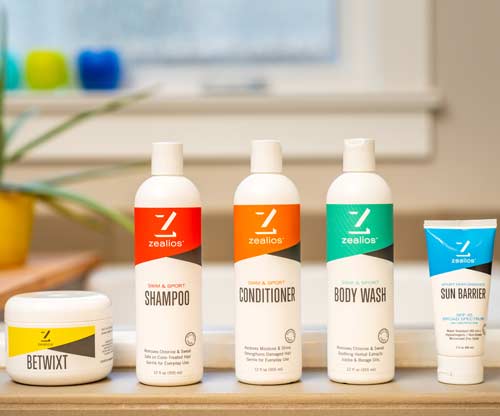
There are quite a few cream types out there to choose from so take your time. Read the ingredients and make sure there isn’t anything you are uncomfortable applying down there. All-natural ingredients are a safe bet when in doubt. Zealios’ Betwixt chamois cream is all-natural with organic aloe vera and suitable for both men and women, so we recommend checking it out!

Trek Travel partners with Zealios for the best performance products

Tip #2

Before you hit the road, have a travel plan. For those long rides, you might have to reapply to keep everything friction-free and happy. Is your chamois cream in a small enough container to bring along? If not, find a small canister or jar you can transfer a bit into so you’re not stuck on the side of misery road. Some brands even make great miniature-sized packs to bring along. For instance, Betwixt chamois cream comes in pocket-size packs made to toss in your jersey or bike bag.

Trek Travel partners with Zealios for the best performance products

Tip #3

Speaking of applying, how you apply your chamois cream matters!

See, we told you it gets personal… applying your chamois cream directly to the skin versus onto your chamois is our recommendation. Applying to the skin will ensure you get proper coverage and reduce the risk of missing any spots or… cracks…

We hope these quick tips will keep you and your saddle happy because we all know a happy saddle means a happy rider. Now there’s no excuse to skip on those extra miles. Time to find your next trip!


How to Buy a Used Bike

It’s as easy as riding one in the first place.

Whether you are looking to save money on your next bike or have been dreaming of a bike that’s a bit out of your price range, there’s a perfectly good solution out there: buying used. The used bike market is very healthy, and if you’re a smart shopper, opting for a used bike can lead to some great deals. If you aren’t sure where to start, our experts are here to offer advice on how to buy a used bike that you’ll love for years to come.

Here are our top four tips for buying a used bike…


How to buy a used bike

STEP 1: KNOW THYSELF

Savvy shoppers have an idea of what they want before they enter the bike market, whether it’s an award-winning Trek Madone, Domane, an e-bike, or anything else. The more you know about what you want, the better you’ll enjoy the shopping experience. That means a little research into the proper style, brand, parts, wheels, and accessories can go a long way. Do you want disc or rim brakes? What size cassette do you want? And color is always a critical component of the decision. To get some direction on whether you should choose a road bike, a hybrid, an e-bike, a mountain bike, or something else, check our Trek’s helpful bike finder. And remember that some of these choices potentially affect your future resale value if you plan to sell this bike on the used market eventually, too.

It may also go without saying, but before you start shopping, you should know your size requirements too. You may not be looking for a precision fit, and that’s fine, but it’s always important to know whether you should be riding a small, medium, large, or extra large. These sizes are relatively arbitrary across brands (they often refer the length of the top tube of the bike, but don’t always), but if you know your actual numeric size (50, 52, 56, 58, etc.), you can narrow your field of choices.

Tips for buying a used bike

STEP 2: FIND THE MARKETPLACE

There are so many places to buy used bikes these days, from Craigslist, to eBay, to Facebook Marketplace, to even your local bike shop (just call them and ask!). We’re partial to the Trek Travel used bike store as a great place to find a pre-owned, mechanic-refurbished ride, but if we don’t have the style or size you’re looking for, there are plenty of other places to purchase a used bicycle.

Each of these marketplaces come with their own set of risks and opportunities, so make sure you protect yourself accordingly. Craigslist is the least-regulated marketplace, which means it’s important to meet in neutral places to pick up the bike, inspect the bike closely, and try to pay with a third-party payment processor like PayPal for some added payment protection. However, you might be able to negotiate some fantastic pricing. On the other hand, a local bike dealer is typically going to be more reliable and will often complete an inspection to make sure the bike is in good working order. The price of the used bike from a dealer may be a little higher because of the added work care put into the bike.

How to buy a used road bike

STEP 3: INSPECT YOUR RIDE

When you finally see your bike online or in-person, do as much due diligence as possible. Don’t expect the seller to be completely forthcoming with information that could affect the sale price, so inform yourself before you negotiate. Things that affect price could include:

  • ● Nicks to paint or slight frame damage (normal wear and tear is fine) – an old trick is to “snap” the frame or flick your finger across all the tubes in the frame and listen for different sounds to see if cracks exist beyond the naked eye.
  • ● Chain life – Chain stretch can wear the cassette and/or chainrings. Make sure to inspect the chain visually for rust or damage, and if you can test-ride the bike, listen for squeaking or grinding, which indicate there repairs may be needed.
  • ● Wheel truing or adjustments – Take a look at the wheels from multiple angles to ensure they appear to be free of dents and bends that would make riding difficult and that they are aligned properly in the frame.
  • ● Specifications on groupsets – e.g. does a bike come with a varied parts spec (Ultegra and 105 or SRAM and Shimano)? Ask why. Has something been replaced?
  • ● What is included or not in the price? Many sellers may not include personal accessories like saddles, pedals, water bottle cages, or computer mounts. This is perfectly normal, but can also be a point of negotiation.

Used bike buying guide

STEP 4: AGREE ON A BOTTOM LINE

Many prices in online marketplaces are suggested prices, so make sure you do some due diligence on market price if possible. One of our top tips for buying a used bike is to use resources like eBay to understand the market value of a used bike and use services like BicycleBlueBlook.com to do some research on a specific model. You may also have to pay for shipping for interstate purchases, which you can calculate at USPS.com.

Buying a used bike can provide as much joy as getting something new. You’ll still get the same thrill when you ride it for the first time, and it can still take you to the same amazing places⁠—all at a fraction of the cost. If you’re interested in discovering what’s available in the Trek Travel used bike store, start here. Our used bikes are available at great prices and always come with a 52-point inspection to ensure everything is in working order.

Shop Used Bikes

Now that you’ve learned how to buy a used bike, visit our travel portfolio and plan your next great cycling adventure too! We’ll see you on the road!

Private

If a date is marked as Private, it is reserved for a private group.

Don’t see exactly what you are looking for or looking for a custom date?
Call our trip consultants at 866-464-8735

What is the Difference?

Luxury:

Enjoy luxurious accommodations handpicked for a refined experience. From signature spa treatments to special dining moments, you’ll be more than provided for— you’ll be pampered.

Explorer:

These handpicked hotels provide relaxation and fun in a casual and comfortable environment. Delicious cuisine and great service mix perfectly for a memorable stay.

Combined:

On select cycling vacations, you’ll stay at a mix of Explorer and Luxury hotels. Rest assured, no matter which hotel level you’re at, our trip designers carefully select every accommodation.

Activity Levels

Level 1:

Road: 1-3 hours of riding. Up to 25 mi (40 km). Up to 1,000 ft (300 m).

Gravel: 1-3 hours of riding. Up to 20 mi (35 km). Up to 1,000 ft (300 m).

Hiking: 1-3 hours of hiking. Up to 5 mi (8 km). Up to 1,000 ft (300 m).

Level 2:

Road: 2-4 hours of riding. 20-35 mi (35-60 km). Up to 2,500 ft (750 m).

Gravel: 2-4 hours of riding. 15-30 mi (25-45 km). Up to 2,000 ft (300 m).

Hiking: 2-4 hours of hiking. 4-8 mi (6-12 km). Up to 1,500 ft (450 m).

Level 3:

Road: 3-5 hours of riding. 25-55 mi (40-85 km). Up to 4,500 ft (1,500 m).

Gravel: 3-5 hours of riding. 20-40 mi (35-60 km). Up to 3,000 ft (900 m).

Hiking: 3-5 hours of hiking. 6-10 mi (9-16 km). Up to 2,000 ft (600 m).

Level 4:

Road: 4+ hours of riding. 40-70 mi (60-110 km). Up to 8,000 ft (2,400 m).

Gravel: 4+ hours of riding. 30-50 mi (45-80 km). Up to 4,000 ft (1,200 m).

Hiking: 4+ hours of hiking. 7-15 mi (11-24 km). Up to 4,000 ft (1,200 m).

What are your trip styles?

Classic Bike:

Explore beautiful destinations with a curated blend of guided activities, local cuisine, handpicked accommodations, and itineraries to suit every traveler, from laid-back adventures to luxurious escapes.

Gravel:

Venture off the beaten path to unforgettable places, with fully-supported routes that combine gravel and paved roads in classic Trek Travel style.

Cross Country:

Tackle an epic adventure that takes you point-to-point across mountains, countryside, and more.
Pro Race:

See the pros in action at the biggest cycling events of the year.
Hiking & Walking:

Step into adventure with carefully designed routes, unparalleled hospitality, and deep-routed local connections.

Ride Camp:

Train like the pros in some of their favorite riding destinations.

Self-Guided:

Enjoy a bike tour on your schedule with just your chosen travel companions.

Single Occupancy

Sometimes it’s more convenient and comfortable to have your own room while on vacation. We understand and that’s why we offer a Single Occupancy option. The additional price guarantees a private room all to yourself